Song Meaning
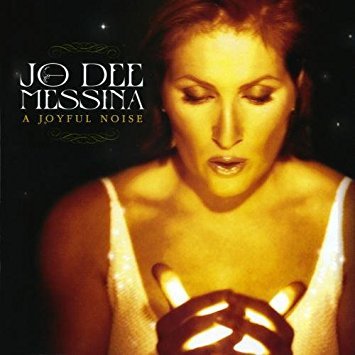
Jo Dee Messina's rendition of "O Holy Night" isn't just a Christmas carol; it's a masterclass in emotional release. The song's power lies in its ability to tap into a profound sense of longing and the subsequent elation of spiritual awakening. Messina's voice, with its characteristic blend of strength and vulnerability, underscores the core theme: a world steeped in "sin and error," yearning for redemption. The lyrics paint a vivid picture of this pre-salvation state, a world where souls are weary and burdened. The arrival of the "Savior" isn't merely a historical event but a personal transformation. The "soul felt its worth" implies a newfound sense of dignity and purpose. It's an internal shift mirroring a cosmic event.
The song's genius resides in its escalating emotional arc. The initial verses establish the somber reality of a world in need, then builds toward the explosive joy of the chorus. "A thrill of hope, the weary soul rejoices" isn't just a statement; it's an invitation to experience that very thrill. The imagery of a "new and glorious morn" breaking forth carries significant weight, suggesting not just a single birth but the dawn of a new era for humanity. The plea to "fall on your knees" isn't about blind obedience, but rather a surrender to something greater than oneself.
Ultimately, "O Holy Night," as interpreted by Messina, transcends religious dogma. It speaks to the universal human desire for hope, for meaning, and for a connection to something divine, however one chooses to define it. The repetition of "Oh night divine" serves as an almost hypnotic mantra, drawing the listener deeper into the experience. It's a reminder that even in the darkest of times, the possibility of transformation and renewal always exists. The song’s enduring appeal rests in its capacity to evoke these deeply felt emotions, making it a timeless classic.
 View Artist