Song Meaning
The lyrics paint a picture of a disoriented, perhaps drug-fueled, existence where moments blur and the narrator is lost in a cycle of seeking immediate gratification. The opening lines, "Vibration, space, from moment to moment / Wandering, drifting, all phenomena fill," establish a sense of being adrift. The narrator seems caught in a loop, "From the goal to the starting point / The beginning of the end," suggesting a lack of progress despite constant motion. This feeling is amplified by the imagery of navigating a confusing path, "Slope right, next left," while chasing a fleeting high.
The central tension lies in the pursuit of "dope, waiting for happiness on the journey." This pursuit is framed as dangerous and secretive, with the narrator admitting, "I don't want anyone to know what I definitely want to get." There's a clear dichotomy between the allure of "sweet-sounding stories" and the narrator's attraction to "bitter, dangerous experiences." This suggests a self-destructive impulse, a yearning for intense, potentially harmful, experiences that offer a temporary escape or a distorted sense of fulfillment.
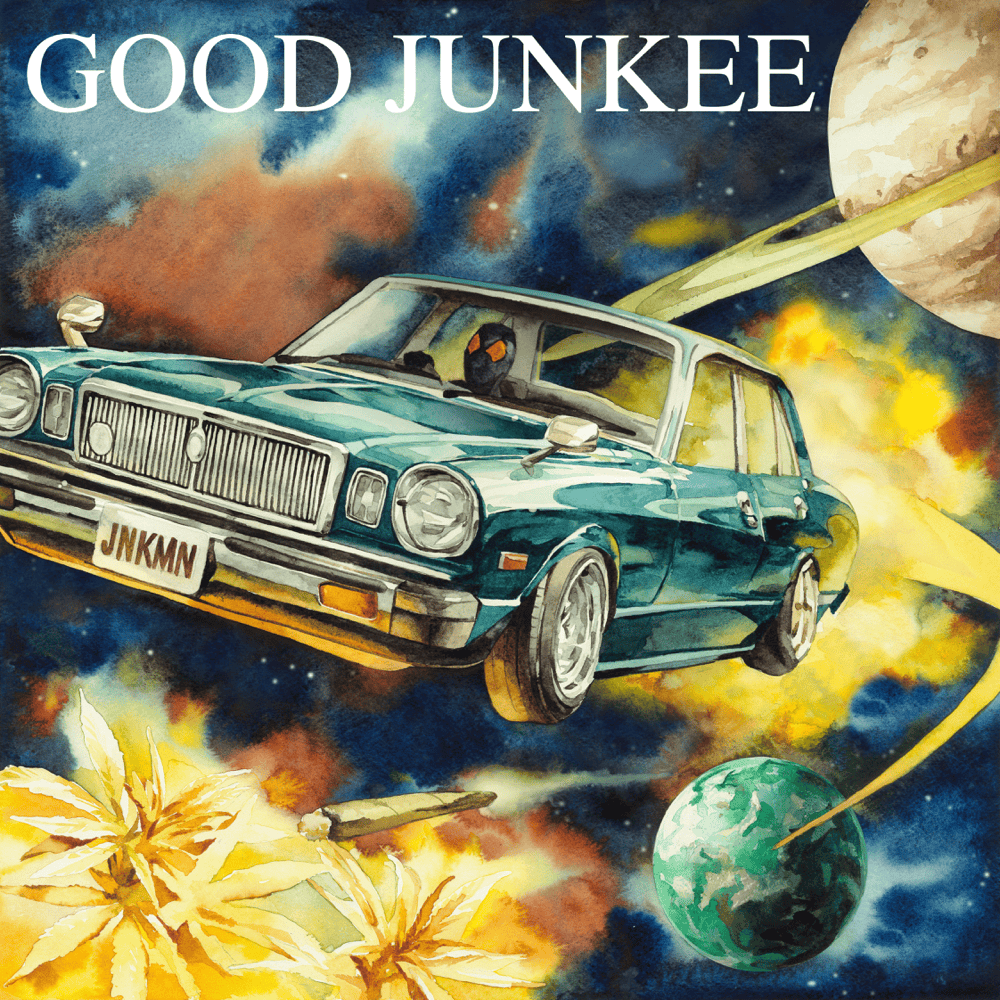
The most striking aspect of the craft is the insistent repetition of the chorus: "JNKMN NOW STILL SMOKIN UP / Dogs with keen noses, bow WOWOW." This phrase, repeated throughout, acts as an anchor in the chaos, a mantra of the narrator's current state. The imagery of "dogs with keen noses" implies others are aware of or drawn to this lifestyle, perhaps sniffing out the narrator's activities. The phrase "JNKMN NOW" itself, likely a reference to a "junkman" or someone consumed by "junk," solidifies the theme of addiction and being trapped in the present moment.
Ultimately, these lyrics resonate because they capture the feeling of being lost in a haze, driven by immediate desires and a fear of consequences. The narrator's admission of not remembering things ("Too messed up to remember") and the sense of being on the verge of an irreversible point ("Feels like I could never go back now") create a palpable sense of unease. The closing lines, "There's no evidence, but the motive is enough / A strange incident that the law can't judge," point to a hidden, potentially criminal or self-destructive, lifestyle that operates outside conventional judgment, making the narrator's internal struggle feel both isolating and intensely real.
 View Artist