Song Meaning
The narrator grapples with a profound sense of powerlessness over someone they care about. There's a palpable frustration in watching this person repeatedly stumble, seemingly unable to learn from their errors. The opening lines immediately establish a tone of resigned observation: "Nobody knows which way you'll go / I can't control you." This sets the stage for a deep-seated anxiety about the other person's choices and future.
The central tension lies in the narrator's desire to guide and protect versus the other person's stubborn refusal to be led. The narrator acknowledges their own limitations, stating, "I should not try to live two lives / I only have one." This refrain emphasizes the preciousness and singularity of life, a concept the narrator desperately wants the other person to grasp. Yet, the repeated observation, "You watch you make the same mistake," highlights the painful cycle the narrator is witnessing.
The lyrics employ a potent metaphor of offering water but being unable to force a drink: "I can lead you to the water / But I cannot make you drink." This perfectly captures the narrator's dilemma – they can provide opportunities and guidance, but the ultimate decision and action must come from the other person. The plea, "Is it too much to ask for you / To simply stop and think," underscores the narrator's exasperation and the perceived simplicity of the advice being ignored.
This piece hits hard because it articulates a universal, yet deeply personal, struggle: the pain of loving someone who seems determined to self-sabotage. The narrator’s internal conflict between wanting to intervene and accepting the boundaries of their influence is laid bare. The repeated emphasis on having "only one" life serves as a poignant reminder of the stakes involved, making the narrator's helplessness all the more resonant.
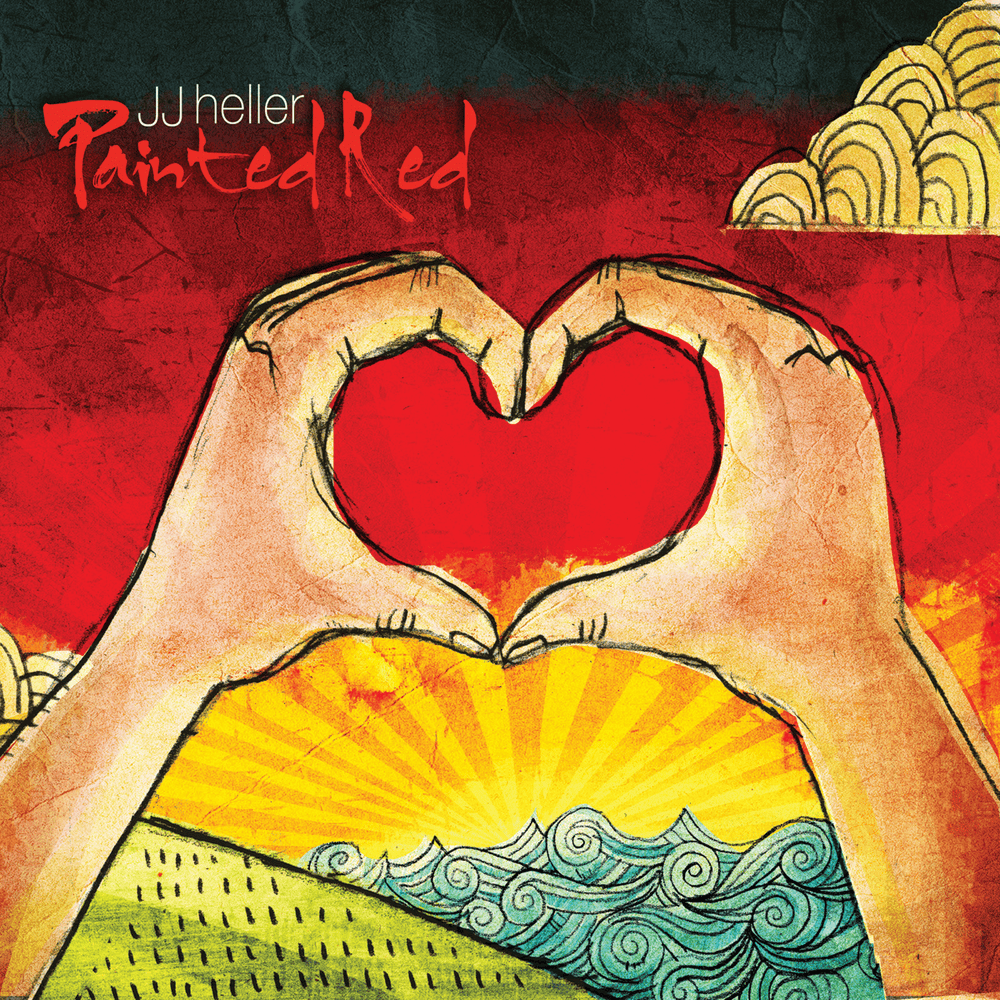
 View Artist