Song Meaning
The lyrics paint a stark picture of internal conflict, presenting a narrator grappling with their identity and their relationship with a higher power. The opening lines immediately establish a sense of duality, questioning whether to embody a "lover" or a "mob" – a choice dictated by the day's "suffering and tragedy." This suggests a reactive existence, where the narrator's persona is shaped by external hardship rather than internal conviction. The subsequent questions about what can be offered to "You" highlight a perceived imbalance, hinting at a feeling of inadequacy or dependence.
The core tension lies in the narrator's struggle for freedom and authenticity, particularly in relation to divine will. The plea "Can I be free?" is met with a profound act of surrender, symbolized by raising hands. This surrender isn't presented as a defeat, but rather as a desperate bid for salvation, a recognition that true freedom might only come through relinquishing control. The repeated invocation, "Help me Jesus be my hero," underscores this reliance on an external force for rescue.
The imagery of a "white washed tomb" is particularly potent, suggesting a facade of purity or righteousness that conceals inner decay or stagnation. The narrator acknowledges "wallow[ing] in my rebellion" and denying "the inside," revealing a deep self-awareness of their own hypocrisy and internal imprisonment. The desperate calls to "Father" and "Abba" for covering, rescue from self, and embrace emphasize a yearning for unconditional acceptance and redemption from their own perceived failings.
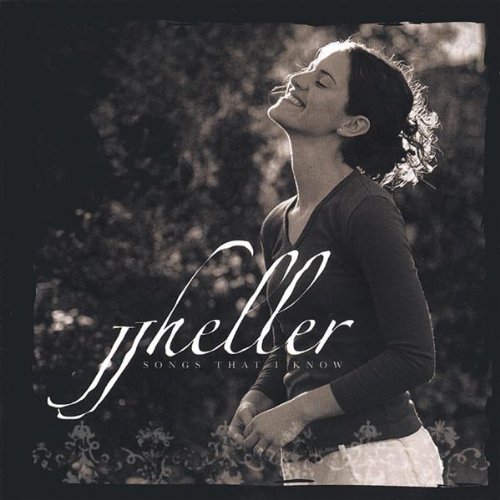
 View Artist