Song Meaning
The narrator paints a stark picture of a life lived on the fringes, marked by hardship and a pervasive sense of having no control. The opening lines immediately establish a defensive posture, suggesting a history of being wronged or misunderstood. Being "born in a freight train passin' by" isn't just a birthplace; it’s a metaphor for a transient, unrooted existence, a life that never had a stable foundation. This sets the stage for a narrative of survival, where taking what one can get is a necessity, not a choice.
The core of the narrator's experience seems to be a constant struggle against circumstances. The litany of physical violence – "shot three times," "cut with a knife" – underscores a life of danger and desperation. The mention of "four children working" while having "no wife" hints at a fractured family structure and the burden of responsibility. The looming threat of the "landlord" and the veiled warning, "I'll put the touch on you," reveal a precarious present, always on the edge of collapse and willing to resort to desperate measures.
The repeated refrain, "I did not make this old world, I'm just livin' here too," acts as both a justification and a lament. It’s a powerful statement of powerlessness, an assertion that the narrator is merely a product of their environment, not its architect. This phrase grounds the entire song in a feeling of existential resignation. The final verse, "I'm comin' from nowhere and not by design," reinforces this, suggesting a life that lacks inherent purpose or direction, simply existing in the chaotic flow of events.
What makes these lyrics resonate is their raw honesty and the unflinching portrayal of a life defined by external forces. The narrator doesn't ask for pity but presents their reality with a weary defiance. The simple, direct language and the insistent repetition of the central theme create a powerful, almost hypnotic effect, drawing the listener into a world where survival is the only given and agency is a distant luxury.
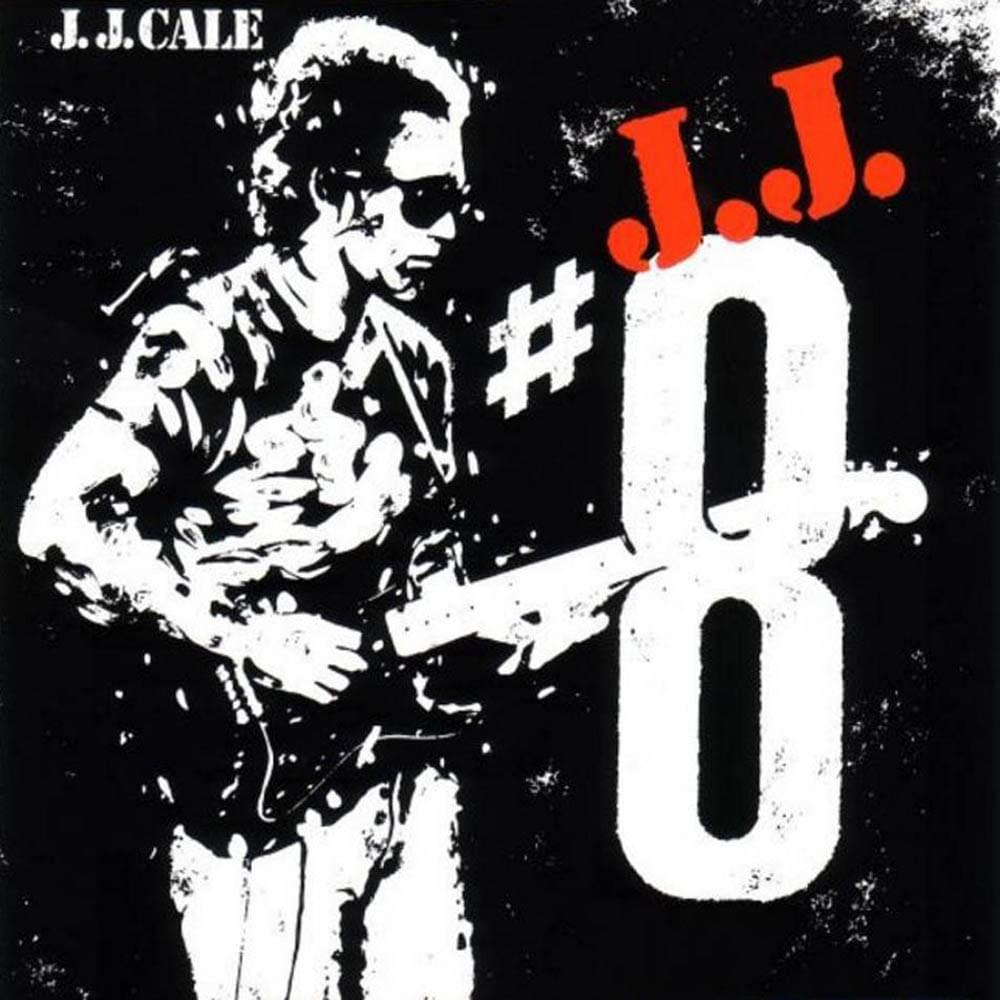
 View Artist