Song Meaning
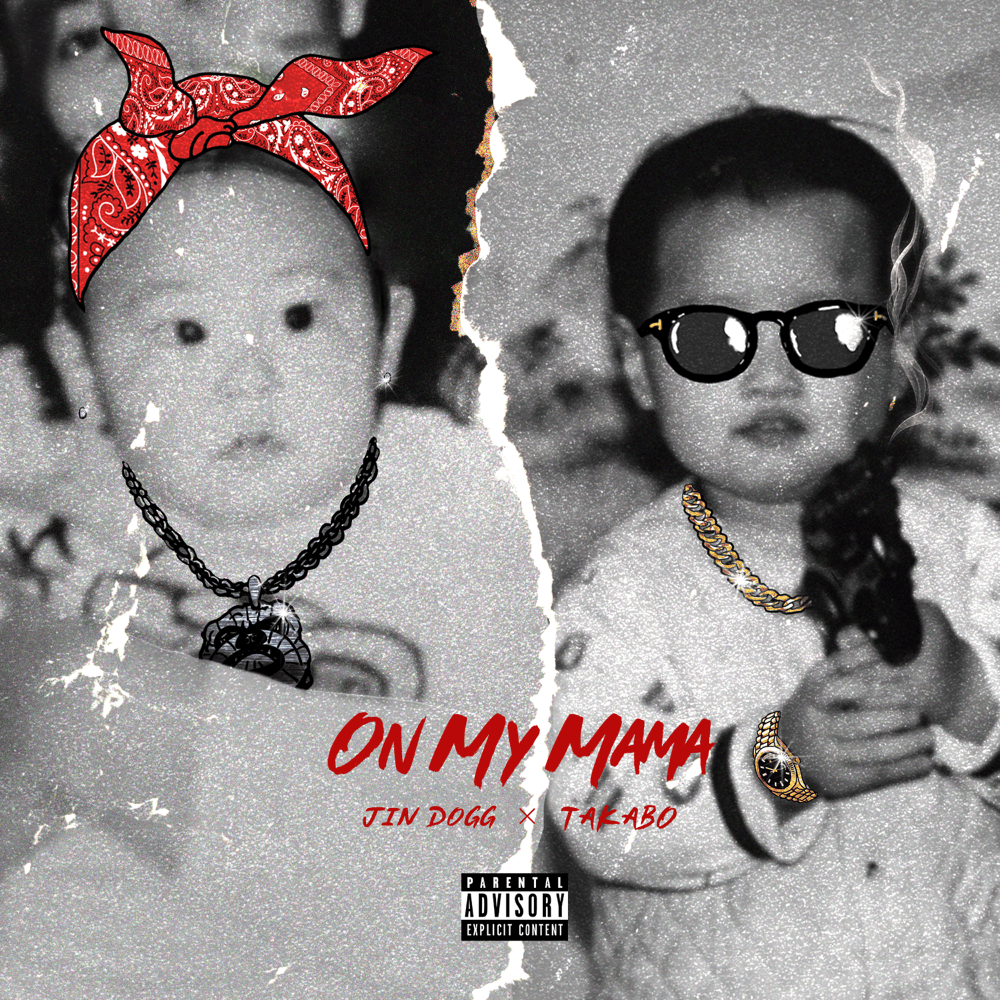
The lyrics paint a raw picture of loyalty and resilience, centered around the unwavering influence of the narrator's mother. The repeated phrase "Mama raised no bitch and that's on my mama" acts as a powerful declaration of identity and a moral compass. It suggests a upbringing that instilled strength and integrity, a foundation the narrator fiercely upholds, even in the face of potential legal trouble and the harsh realities of their environment. This maternal figure is presented as an ultimate authority, even above "god." The presence of Japanese phrases like "覚悟決めた腹" (kakugo kimeta hara - a determined stomach/resolve) and "男より強い俺のママ" (otoko yori tsuyoi ore no mama - my mom is stronger than any man) further emphasizes this deep-seated respect and the internal fortitude derived from her teachings. The narrator's commitment to their "squad" and staying "true" is directly tied to this maternal promise.
The core tension emerges from the precariousness of their lifestyle, hinted at by lines like "ミスればすぐまた檻の中" (misureba sugu mata ori no naka - if I make a mistake, I'm back in the cage) and "白い鼻の中に甘い罠" (shiroi hana no naka ni amai wana - sweet trap inside the white nose). This suggests a world where mistakes have severe consequences, possibly involving drug use or dealing, and where deception is common. The narrator navigates this dangerous landscape, constantly aware of the "trap" and the need to "hide" their true selves, symbolized by the "化けの皮" (bake no kawa - mask/disguise) that can be easily peeled off. Despite these risks, the commitment to their mother's teachings provides a steadfast anchor.
A striking element is the juxtaposition of maternal strength with the gritty, often illicit, world described. The lyrics mention "親父の彼女は銀座のママ" (oyaji no kanojo wa Ginza no mama - dad's girlfriend is a Ginza mama) and "伯父が持ち歩いていたチャカ" (oji ga mochiaruite ita chaka - uncle carried a gun), introducing a complex family dynamic that contrasts with the idealized image of the mother. This creates a layered understanding of the narrator's upbringing, suggesting that while the mother provided a moral bedrock, other family influences were steeped in a more dangerous reality. The act of swearing "on my mama" becomes an even more potent gesture, signifying a commitment to a higher principle amidst surrounding chaos.
Ultimately, the effectiveness of these lyrics lies in their unvarnished honesty and the potent emotional weight given to the maternal figure. The repeated, almost ritualistic, invocation of "mama" grounds the narrative in a profound sense of loyalty and self-preservation. It's not just about bravado; it's about honoring a fundamental lesson about strength and integrity that the narrator carries into every risky situation. The blend of English and Japanese, coupled with the raw subject matter, creates a unique voice that feels both defiant and deeply rooted in personal history.