Song Meaning
The lyrics paint a picture of someone refusing to move on after a significant loss, clinging to a childlike hope for reconciliation. The narrator is told to "pick up the pieces of your broken life," a common platitude for recovery, but instead, they feel like a "frightened little boy" surrounded by "broken toys." This imagery immediately establishes a tone of arrested development and emotional immaturity in the face of adult expectations.
The central tension lies between the external pressure to heal and the narrator's internal decision to remain in a state of hopeful waiting. They acknowledge the advice to move forward but actively choose to stay put, "Here I'll stand." This defiance isn't aggressive; it's a passive, almost stubborn, insistence on maintaining a state of hopeful anticipation, even when the reality is bleak.
The most striking craft element is the consistent use of childhood imagery to describe the narrator's emotional state and coping mechanisms. They are "waiting for Christmas," "wishing on wishing wells," and building "castles built in the sand." This isn't just about being sad; it's about a refusal to engage with the adult world's logic of moving on, instead retreating into a fantasy of magical thinking and simple, childlike desires, like a child still standing where something bad happened.
This lyrical approach is effective because it taps into a universal feeling of wanting things to go back to how they were, especially after heartbreak. By framing this desire through the lens of a child's unwavering belief in miracles and simple solutions, the lyrics create a poignant, if somewhat melancholic, portrait of someone unable to let go. The repeated phrase "Here I'll stand" becomes an anthem for this stubborn, hopeful stasis, a quiet refusal to accept the end of a relationship.
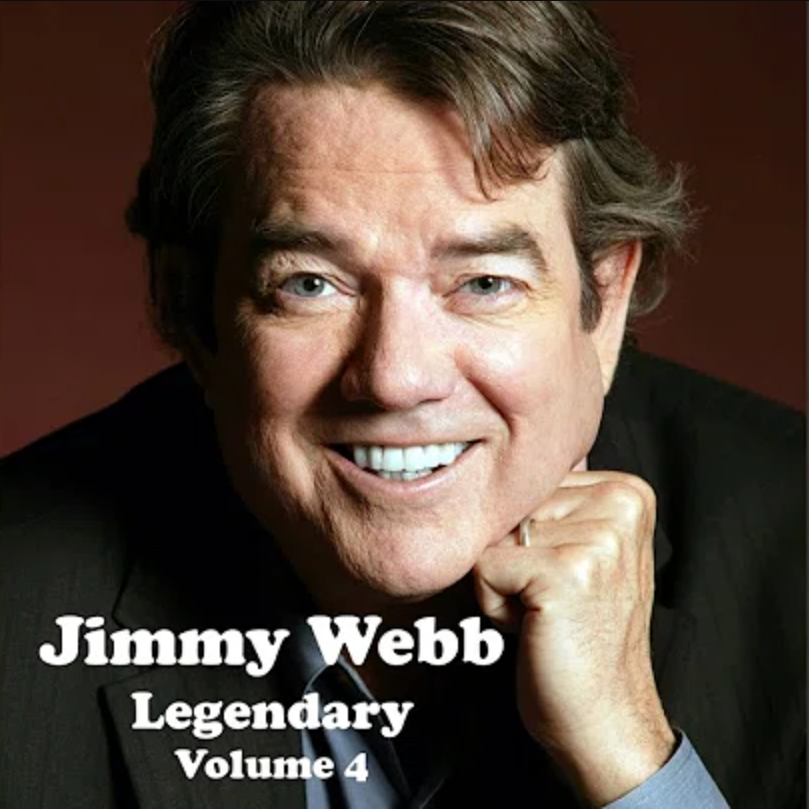
 View Artist