Song Meaning
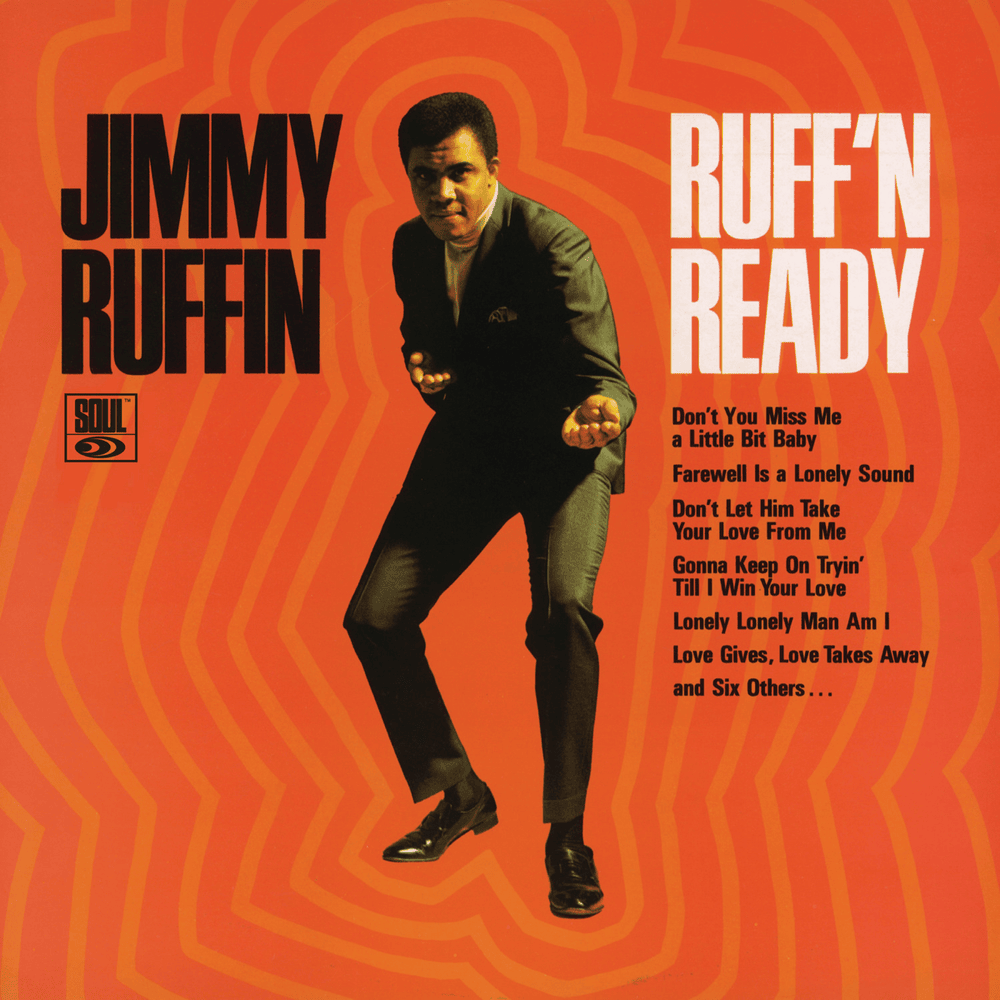
Jimmy Ruffin's rendition of "96 Tears" isn't just a catchy blast from the past; it's a masterclass in vengeful pop. The song meaning hinges on a deliciously dark central theme: the bitter satisfaction of witnessing a former lover's downfall. Forget mature forgiveness or moving on; this is pure, unadulterated schadenfreude set to a driving beat. The lyrics paint a vivid picture of a power dynamic flipped on its head. The narrator, once drowning in "too many teardrops," anticipates the moment their ex will experience the same pain, quantified in a theatrical "96 tears." This isn't about reconciliation; it's about evening the score with a vengeance. The numerical specificity—why 96?—adds to the song's strange, almost surreal quality, hinting at an obsessive quality to the narrator's desire for retribution. It's as though the exact count of tears is the ultimate validation of their suffering.
The brilliance of "96 Tears" lies in its ability to tap into a primal, often unspoken, desire for revenge. We've all been there, fantasizing about the moment someone who hurt us gets a taste of their own medicine. Ruffin's delivery, tinged with a controlled simmering anger, perfectly captures this sentiment. He's not raging; he's plotting, patiently waiting for the tables to turn. The repetition of "cry, cry, cry, day and night" reinforces the almost gleeful anticipation of the ex-lover's misery. The 'watching and waiting' game is a common theme in relationship power struggles, and the lyrics imply a long, brooding period of quiet planning.
Ultimately, "96 Tears" isn't just a breakup song; it's a darkly comic exploration of the human psyche's capacity for pettiness and the intoxicating allure of revenge. It's a reminder that sometimes, the sweetest victory is watching someone else suffer the consequences of their actions, even if only in our own minds. The song's enduring appeal likely stems from its honesty about these less-than-noble emotions, wrapped in a deceptively simple and undeniably infectious melody.
 View Artist