Song Meaning
The lyrics paint a picture of a narrator grappling with a relationship's end, set against the backdrop of Virginia's natural beauty. The repetition of "where the green grass grows" initially suggests a serene, perhaps even idyllic, setting. However, this peace is immediately undercut by the narrator's internal struggle, admitting, "I tried to tell myself that I didn't want you no more." This contrast between the external environment and the internal turmoil sets a somber, conflicted tone.
The central tension arises from the narrator's actions and their consequences, as articulated by their "baby." The plea, "stop doin' me wrong," coupled with the reason "'cause I'm tired of living alone," highlights a deep-seated loneliness and a desire for the narrator's return, despite their wrongdoing. The narrator's subsequent admission, "I know I'm doin' you wrong," acknowledges the hurt caused, yet the final line, "the one man is standing alone," offers a bleak outlook, suggesting a self-imposed isolation or a future of solitude.
A striking element is the cyclical nature of the narrator's confession and the persistent imagery of being "alone." The repeated phrases, like "where the green grass grows" and "I know I'm doin' you wrong," emphasize a lack of progress or resolution. The final image of "the one man is standing alone" serves as a stark, almost fatalistic, conclusion to the narrator's self-destructive behavior, leaving the listener with a sense of unresolved regret.
This song's effectiveness lies in its raw, direct language and the stark emotional honesty it conveys. The simple, repetitive structure mirrors the narrator's stuck emotional state, unable to break free from their pattern of behavior or their loneliness. The contrast between the natural setting and the personal desolation amplifies the feeling of isolation, making the narrator's predicament feel both specific and profoundly isolating.
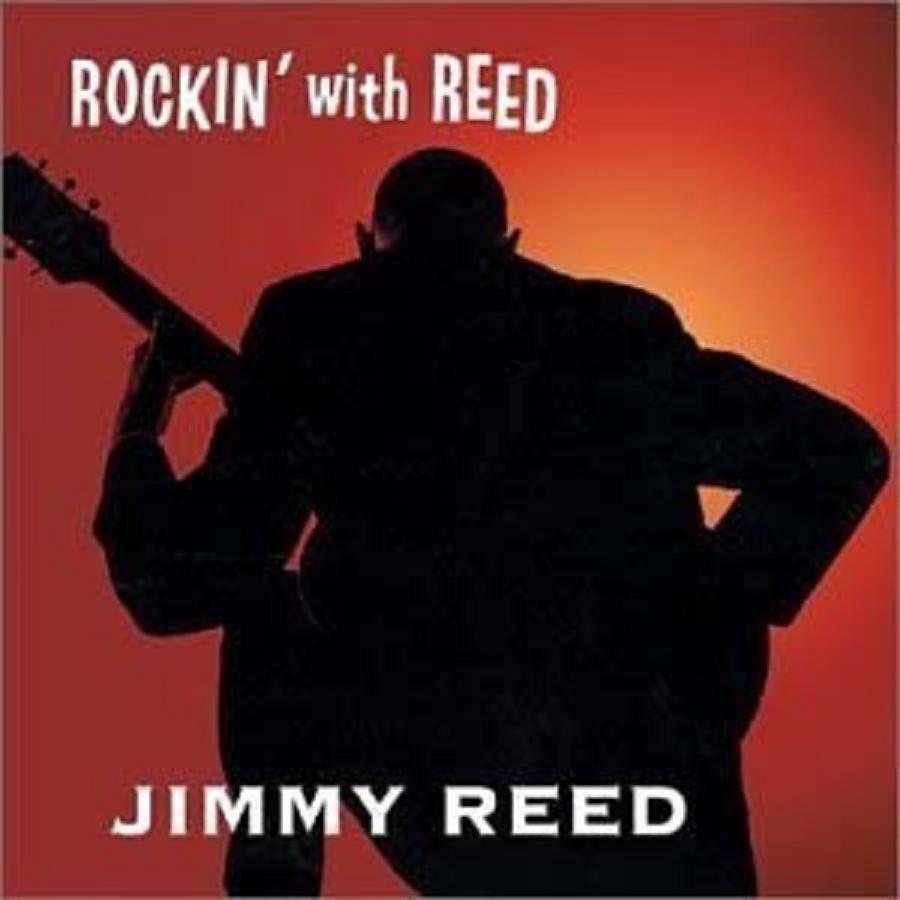
 View Artist