Song Meaning
This song paints a vivid picture of a child's idealized fantasy, where the ultimate reward for good behavior is becoming Santa Claus's son. The narrator imagines a life of perfect conduct, driven by the desire to please a benevolent figure's approval. It's a world where being "good" is directly tied to a fantastical reward, suggesting a child's understanding of cause and effect filtered through a lens of pure wish fulfillment. The initial declaration, "I'd be good," is immediately met with a preemptive defense, "I bet you think I couldn't do it," highlighting a child's awareness of perceived limitations and their eagerness to prove them wrong.
The core tension lies in the child's aspiration to embody Santa's persona completely. This isn't just about receiving gifts; it's about adopting Santa's identity, from his laugh to his potential for flight and even his iconic beard. The lyrics suggest a deep yearning for transformation, a desire to step into a role of immense joy and responsibility. The narrator envisions a future where they inherit Santa's mantle, "And I would be the one to take his place," indicating a profound admiration for the figure and a wish for that same power to spread happiness.
The most striking aspect of the craft is the detailed, almost instructional, imagining of Santa's attributes. Phrases like "Ho ho ho's" and "My little finger aside of my nose" are specific visual and auditory cues that the child is actively trying to replicate. The repetition of "Santa's boy" at the end hammers home the singular focus of this fantasy, transforming it from a simple wish into an all-consuming identity. This relentless focus on Santa's traits and the repeated refrain create a powerful sense of longing and dedication to the imagined ideal.
Ultimately, the lyrics resonate because they capture the pure, unadulterated ambition of childhood imagination. The effectiveness comes from the specific, almost tangible details the narrator conjures – the beard, the laugh, the flight – which make the fantasy feel incredibly real to the speaker. It’s a powerful expression of wanting to be more than just good, but to become the very embodiment of Christmas spirit, a thrilling prospect for any child who believes in the magic of Santa.
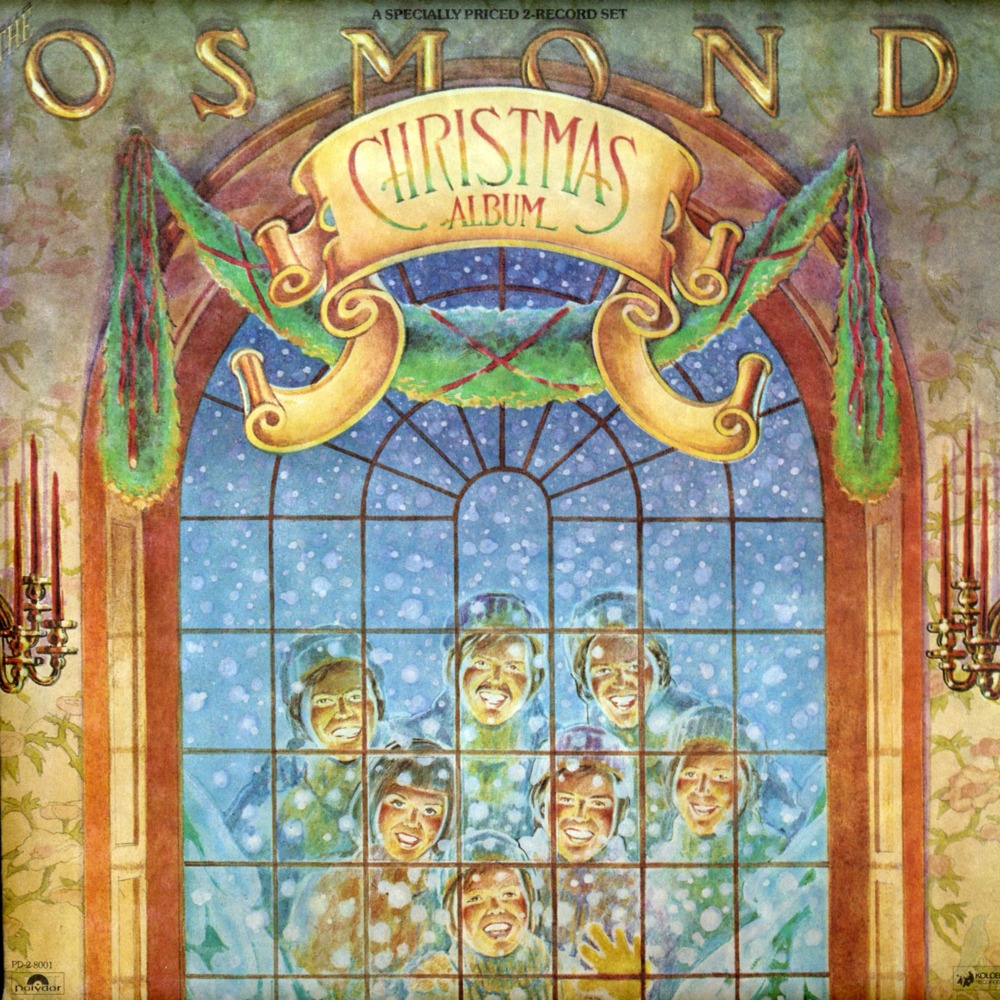
 View Artist