Song Meaning
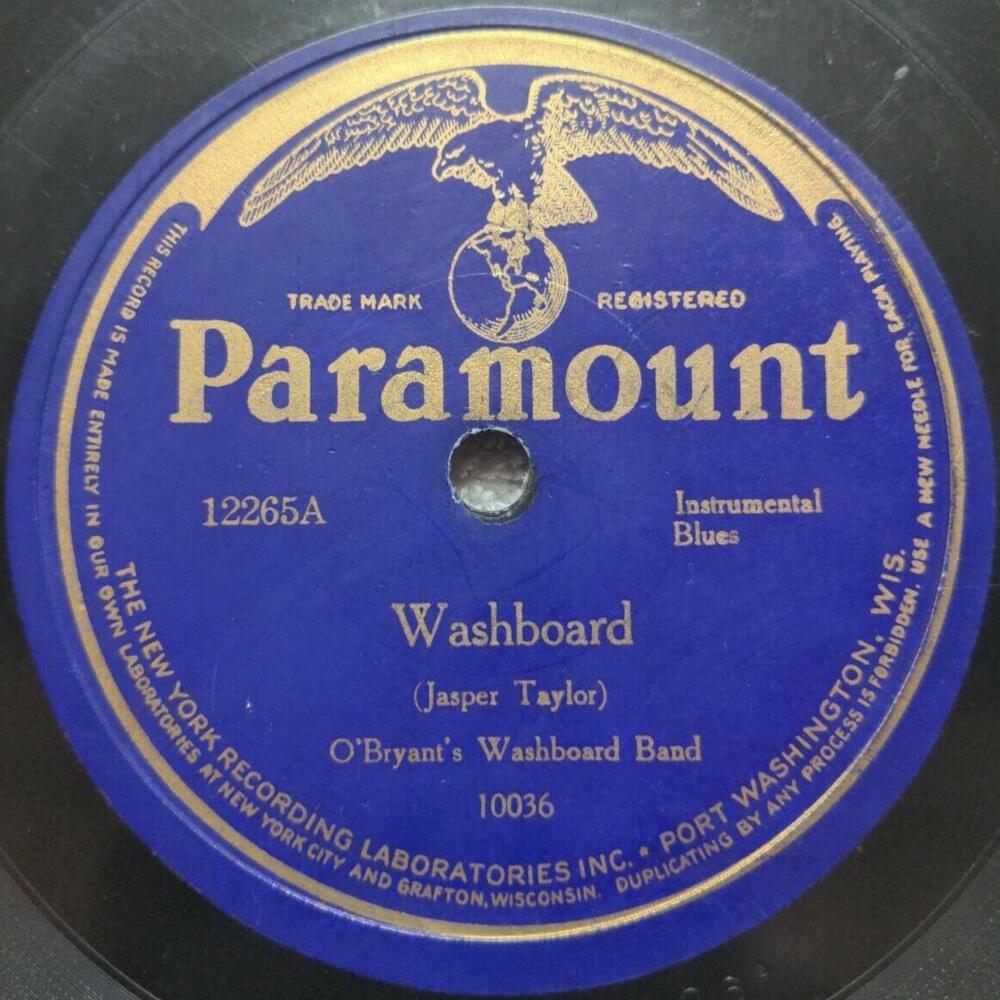
The lyrics present a stark, almost desolate soundscape, immediately establishing a mood of quiet introspection. The absence of vocalization forces the listener to focus on the sonic texture, suggesting a narrative that might be more felt than explicitly told. This instrumental opening sets a tone that is both melancholic and deeply personal, inviting a contemplative state.
The dominant feeling evoked is one of profound solitude, amplified by the lack of any lyrical narrative to provide context or companionship. The music itself becomes the storyteller, its rhythms and tones conveying a sense of longing or perhaps a quiet resignation. It’s a space where unspoken emotions can resonate, allowing the listener's own experiences to fill the void.
The most striking aspect of this piece is its reliance on pure sound to communicate. The implied 'washboard blues' suggests a raw, percussive element that can evoke hardship or a simple, rhythmic existence. Without words, the texture of the music—whether it's the scrape of a washboard or the hum of a bluesy melody—becomes the primary vehicle for emotional expression, demanding active listening.
This instrumental approach is effective because it bypasses direct storytelling, tapping into a more primal emotional response. It allows the 'blues' to manifest not through lyrical lament but through the very fabric of the sound. The listener is left to interpret the emotional weight, making the experience uniquely their own and highlighting the power of music to convey feeling beyond language.
 View Artist