Song Meaning
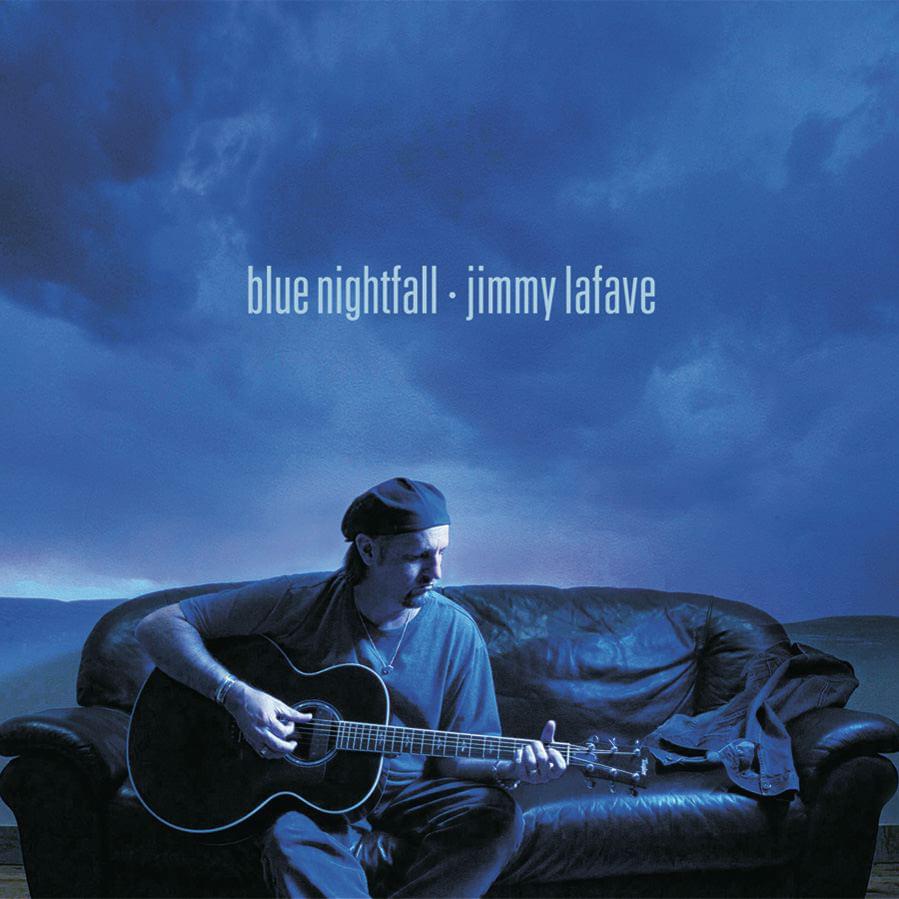
Jimmy LaFave's "It's Gone" isn't just a song; it's a haunting lament for a lost world, a vanished way of life brutally erased by broken promises and relentless expansion. The opening lines, steeped in imagery of "tall grass prairie" and roaming "on the plain," immediately evoke a romanticized, yet deeply sorrowful, vision of pre-colonial America, a time when indigenous peoples lived in harmony with the land. The stark declaration that they were "part of a great big indian nation / Now ain't it a shame" cuts to the heart of the historical injustice. It's a direct confrontation with the legacy of displacement and cultural annihilation. The simple phrase carries immense weight, dripping with both anger and profound sadness.
The repetition of "Listen, listen, listen it's gone" functions as a mournful chorus, a constant reminder of the irrevocable loss. It's not just the land that's gone, but also the culture, the traditions, and the very essence of a people. The lyrics directly accuse the colonizers of betraying the trust offered by the indigenous population: "We tried to treat you as our brother / You slowly drove us from the land / You broke all your worthless treaties / But you don't understand." This verse highlights the fundamental disconnect between the two cultures, the inability or unwillingness of the colonizers to comprehend the indigenous worldview and their deep connection to the land. The bitterness is palpable, a raw expression of centuries of resentment.
Yet, amidst the despair, there's a glimmer of hope, a yearning for healing and reconciliation. The lines "I see the buffalo returning / I hear a ghost dance in the night / I pray a healing for this nation / Let's make it right" suggest a desire for restoration, a reclaiming of cultural identity and a path towards healing the wounds of the past. The "ghost dance" reference is particularly powerful, evoking a spiritual movement that sought to revive traditional ways and drive out the colonizers. While acknowledging the immense loss, LaFave's "It's Gone" ultimately serves as a call to action, an urging to confront the historical injustices and strive for a future where the wrongs of the past are acknowledged and addressed, offering a fragile hope for restorative justice.
 View Artist