Song Meaning
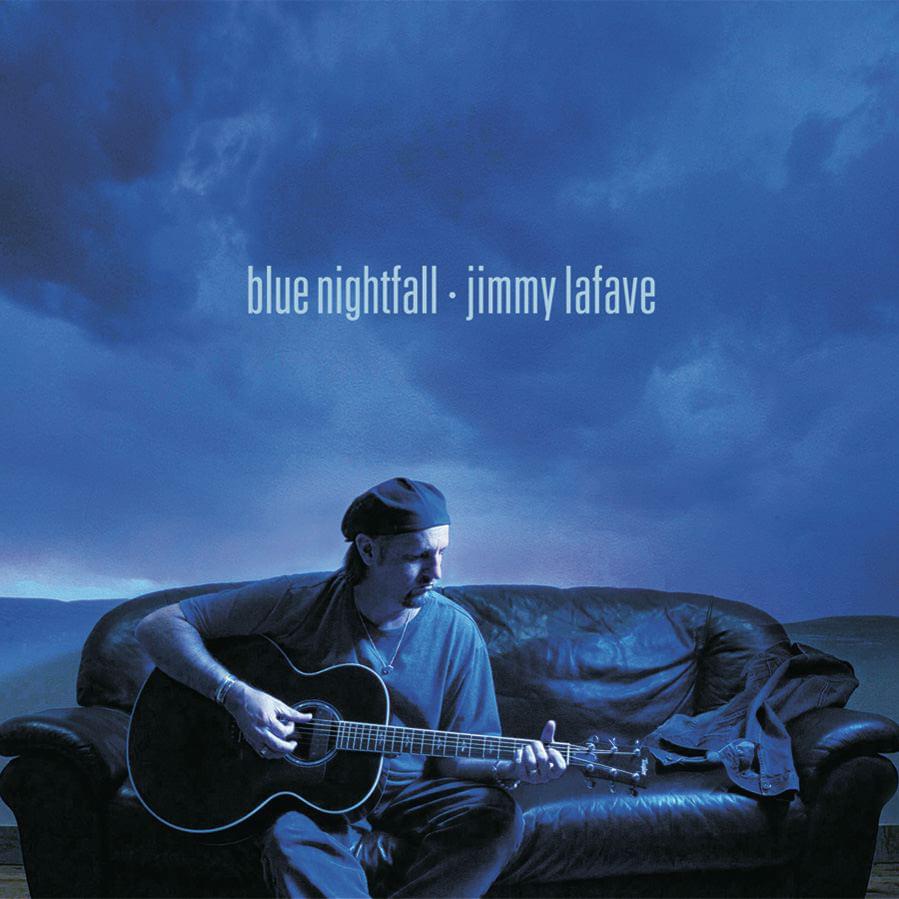
Jimmy LaFave's "Blue Nightfall" isn't just a song; it's a masterclass in melancholic restraint. The track's profound sadness isn't delivered through histrionics, but rather through a quiet, almost desperate resignation. The opening lines, "Don't want to get out of this car / I just want to drive and drive," establish a sense of perpetual motion as a means of avoidance, a flight from a reality too painful to confront. The car becomes a liminal space, a temporary refuge from grief. This sense of being caught between worlds, unwilling to fully engage with either the past or the present, permeates the entire song. It speaks to a universal desire to escape when the weight of loss becomes unbearable. In his lyrics analysis, LaFave uses driving as a symbol for the state of emotional limbo. It's the kind of feeling many recognize from their own lives.
The rawness of the lyrics is amplified by their simplicity. "Don't want to call your name / It hurts me way too deep" is a stark admission of the lingering pain caused by absence. The phrase "blue nightfall" itself acts as a powerful metaphor, evoking not just the literal fading of light but also a sense of emotional darkening, a descent into sorrow. The repetition of "Now I weep" isn't overwrought; it's a simple, honest acknowledgment of grief's persistent presence. It's a stark contrast to the earlier lines about wanting to drive forever, a desire to avoid any action at all. The weeping is an action, a release, a sign of the character's potential return to reality.
Ultimately, "Blue Nightfall" resonates because it captures the isolating nature of grief. The image of the narrator standing alone, "face in my hands," emphasizes the feeling of helplessness and vulnerability. The line "you're all gone, like a faraway song" is particularly poignant, suggesting that the memory of the lost loved one is fading, becoming distant and intangible. Even the acknowledgment that "I suppose that I should get some sleep" offers little comfort; it's a weary acceptance of the need to carry on, even when the heart is heavy. LaFave doesn't offer easy answers or resolutions; he simply provides a space for listeners to recognize and confront their own experiences of loss. The song meaning lies not in the lyrical details, but in the overarching themes of isolation, grief, and the struggle to find solace in the face of profound sadness.
 View Artist