Song Meaning
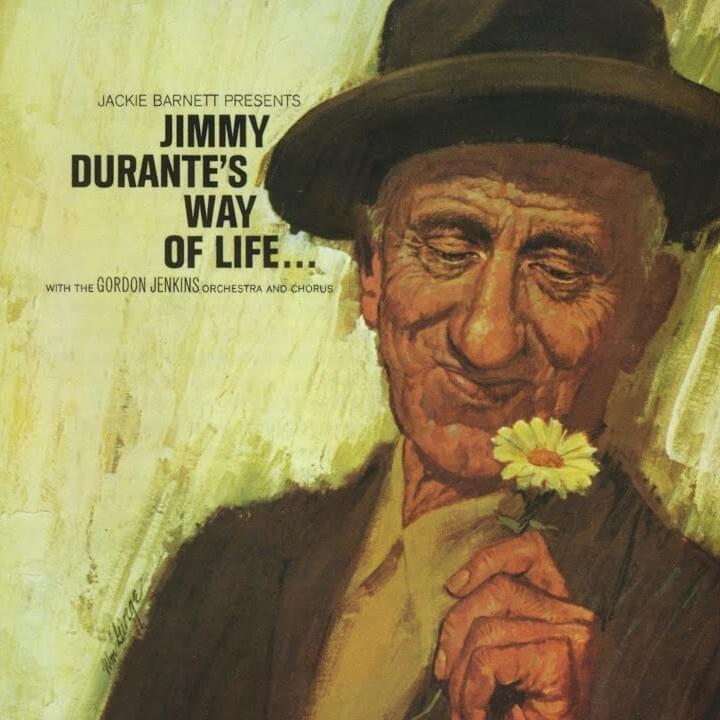
Jimmy Durante, the gravel-voiced maestro of melancholic charm, excavates the raw ache of absence in "When Day Is Done." Stripped bare of his trademark comedic bluster, the song reveals a vulnerability that cuts deep. The track isn't simply about missing someone; it's about the profound reshaping of reality that occurs when a central figure vanishes from your life. Durante captures the disorienting effect of grief, where even the comforting rhythms of the day—the setting sun, the falling shadows—become agonizing reminders of what's been lost. He sings, "Without you night has lost its charm," a line that encapsulates the song's central theme: love's power to imbue the mundane with magic, and loss's cruel ability to strip it all away. The lyrics paint a portrait of a love so complete that it redefined the narrator's relationship with time itself.
The genius of "When Day Is Done" lies in its understanding of how grief latches onto specific moments. It's not just "the whole day through" that the singer feels the pang of separation; it's the *end* of the day, that liminal space where memories flood in and loneliness takes on a sharper edge. The twilight imagery—"shadows fall," "grass is wet with twilight's dew"—evokes a sense of quiet desperation, a longing that seeps into the very atmosphere. This isn't a flamboyant, operatic expression of sorrow. It's the quiet, persistent ache of a "lonely heart sinkin' with the sun," a feeling anyone who has experienced profound loss will recognize instantly.
Ultimately, "When Day Is Done" is a masterclass in emotional understatement. Durante, despite his reputation as a comedian, taps into a universal wellspring of sadness. The song's simplicity is its strength; it doesn't need elaborate metaphors or complex arrangements to convey the raw, unvarnished truth of heartbreak. It's a testament to the enduring power of love and the equally enduring pain of its absence. The song's meaning resonates not just as a lament for a lost love, but as an acknowledgement of the profound way our loved ones shape our perception of the world, and how their absence leaves everything irrevocably altered.
 View Artist