Song Meaning
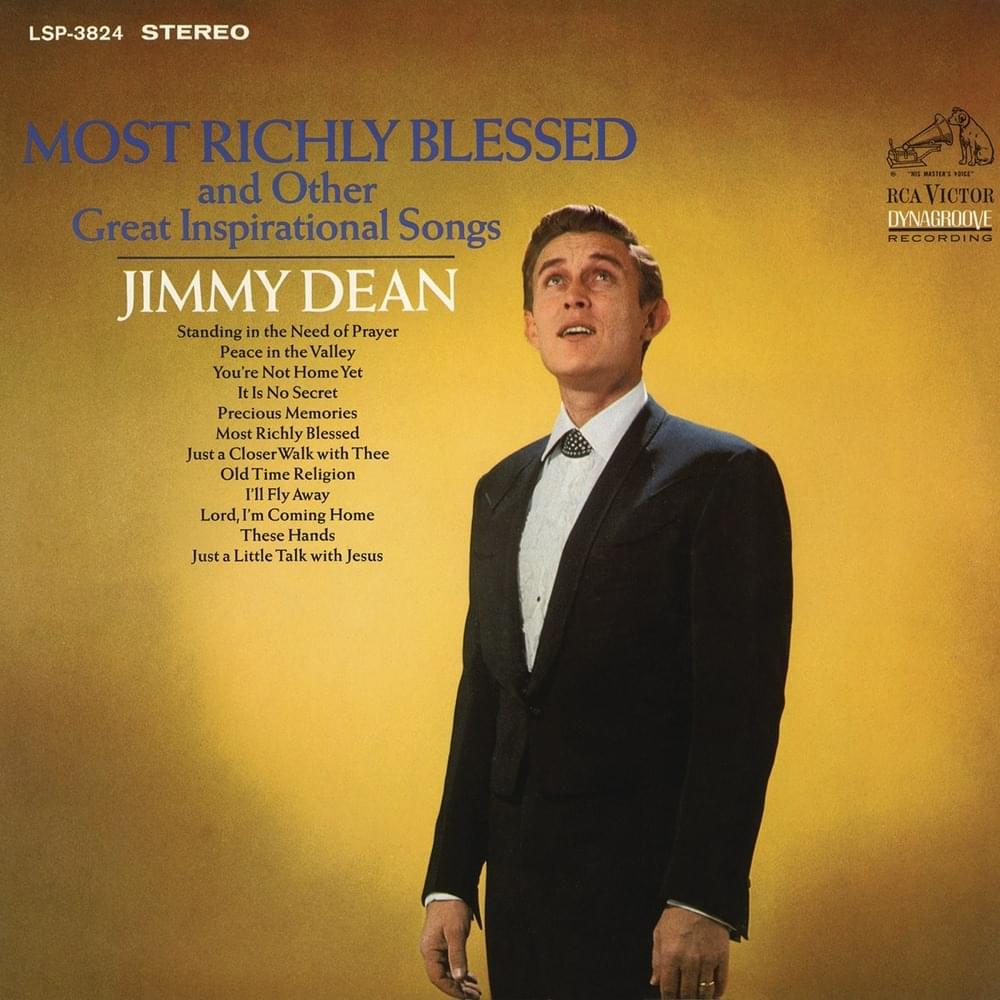
{"song_id": 15414869, "meaning": "Jimmy Dean's \"Most Richly Blessed\" isn't just a gospel tune; it's a stark psychological reckoning disguised as a hymn. The spoken-word core of the song dismantles the listener's (and perhaps Dean's own) illusions about deservingness. It cleverly inverts the prosperity gospel – instead of health, wealth, and power, Dean receives weakness, poverty, and humility. The punchline? These perceived shortcomings are actually blessings in disguise, forging a deeper connection with a higher power. It's a profound statement about finding grace not in the fulfillment of desires, but in the acceptance of what *is*. The lyrics analysis points towards a mature understanding that true richness lies not in external validation or material gain, but in the internal fortitude cultivated through hardship.
The genius of \"Most Richly Blessed\" lies in its deceptive simplicity. The initial verse sets the stage for a standard lament – questioning God's presence during difficult times. However, the spoken section acts as a brutal, almost confessional, intervention. It’s a self-indictment, acknowledging the flawed human tendency to equate happiness with achievement and control. Dean isn't just singing about faith; he's dissecting the very human ego that craves recognition and shies away from vulnerability. The repetition of \"I am most richly blessed\" in the outro isn't a triumphant declaration, but rather a quiet, hard-won affirmation.
Ultimately, the song's meaning revolves around a re-evaluation of values. In a culture obsessed with optimization and success, \"Most Richly Blessed\" offers a counter-narrative. It suggests that true fulfillment isn't about getting what you want, but about finding gratitude and purpose in what you have, even – and especially – when it's not what you expected. The song subtly explores the human condition, and how perceived lack can be the catalyst for profound spiritual growth. It’s a powerful reminder that the things we often see as curses can, in fact, be the very things that set us free."}
 View Artist