Song Meaning
Jimmy Dean's "Make the World Go Away" isn't just a countrypolitan lament; it's a primal scream for absolution, a plea to rewind a relationship to its prelapsarian state. The world, in this context, isn't geopolitical or even societal. It's the accumulation of missteps, betrayals (implied, not explicitly stated), and the corrosive weight of external pressures that have driven a wedge between two lovers. The repeated invocation to "make the world go away" acts as both a desperate wish and a conditional request. It hinges on the partner's capacity for forgiveness and their willingness to mentally and emotionally erase the damage done. The speaker isn't just asking for a clean slate; they're begging for a return to an idealized past. The lyrics analysis reveals the depth of vulnerability beneath the surface.
The song's emotional core resides in the stark contrast between the present fractured state and the remembered bliss of the past: "Do you remember when you loved me before the world took me astray?" This line is a confession, an admission of weakness, and a subtle shifting of blame. The speaker acknowledges their departure from the relationship's original path, but also suggests an external corrupting force – "the world" – as a catalyst. It's a delicate dance between personal responsibility and the seductive allure of external temptations. The willingness to "make it up day by day" offers a glimpse of hope, but it's tempered by the overwhelming desire to simply erase the past, to circumvent the arduous process of rebuilding trust. The beauty of the song's meaning lies in its simplicity. It speaks to the universal desire to escape the consequences of our actions and to reclaim lost innocence.
Ultimately, "Make the World Go Away" is a powerful articulation of regret and the yearning for reconciliation. It's a sonic portrait of a relationship teetering on the edge, where the only hope for survival lies in the transformative power of forgiveness and the willingness to selectively forget. The song resonates because it taps into the fundamental human fear of irretrievable loss and the bittersweet ache of nostalgia for a time when love felt pure and untainted. The lyrics suggest the speaker believes that their partner possesses the power to mentally undo the damage that's been done, a power akin to magic or divine intervention. The world, with all its baggage and betrayals, fades into insignificance if only they can recapture that initial spark.
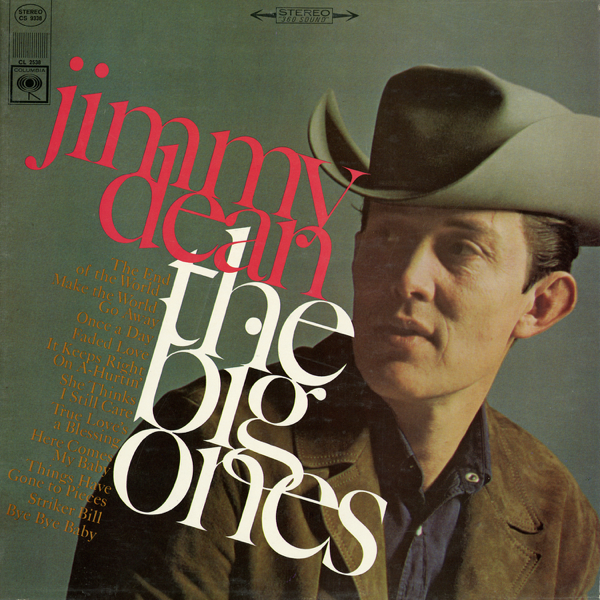
 View Artist