Song Meaning
Jimmy Buffett's "Steamer" isn't just a breezy maritime tale; it's a poignant reflection on memory, love, and the cyclical nature of relationships. The steamer itself acts as a central metaphor, embodying both departure and return, presence and absence. The song's verses oscillate between moments of intense connection and the looming specter of separation, mirroring the emotional highs and lows inherent in any deep relationship. Buffett masterfully uses sensory details – the 'steamin' crowd,' the 'big whistle,' the 'dinner bell' – to anchor the listener in specific moments, creating a vivid tapestry of shared experiences.
The lyrics paint a picture of a love affair marked by both idyllic intimacy and the ever-present threat of loss. The memory of making love by the river, with the dress floating 'down around your knees,' stands as a testament to the profound connection between the narrator and his lover. This moment of near-sacred intimacy is juxtaposed with the recurring image of the steamer's departure, where the narrator 'cannot find your face.' This contrast underscores the fragility of love and the persistent fear of abandonment that can haunt even the most passionate relationships. The 'river' and 'steamer' imagery could be seen as parallel representations of time, with the river flowing continuously like life, and the steamer representing a specific journey or phase within that life.
Ultimately, "Steamer" explores the complex interplay of memory and emotion. The cyclical structure of the song, returning to the image of the departing steamer, suggests a sense of inevitability. The narrator is forever caught in a loop, reliving both the joy of connection and the pain of separation. This repetition highlights the enduring power of memory and its ability to shape our present experience. The song's beauty lies in its honest portrayal of love's inherent contradictions: the simultaneous presence of joy and sorrow, connection and loss. It's a reminder that even the most cherished memories can be tinged with melancholy, and that the fear of losing what we love is often as powerful as the love itself. The song meaning, therefore, resides not just in the narrative, but in the emotional resonance of these recurring images and feelings.
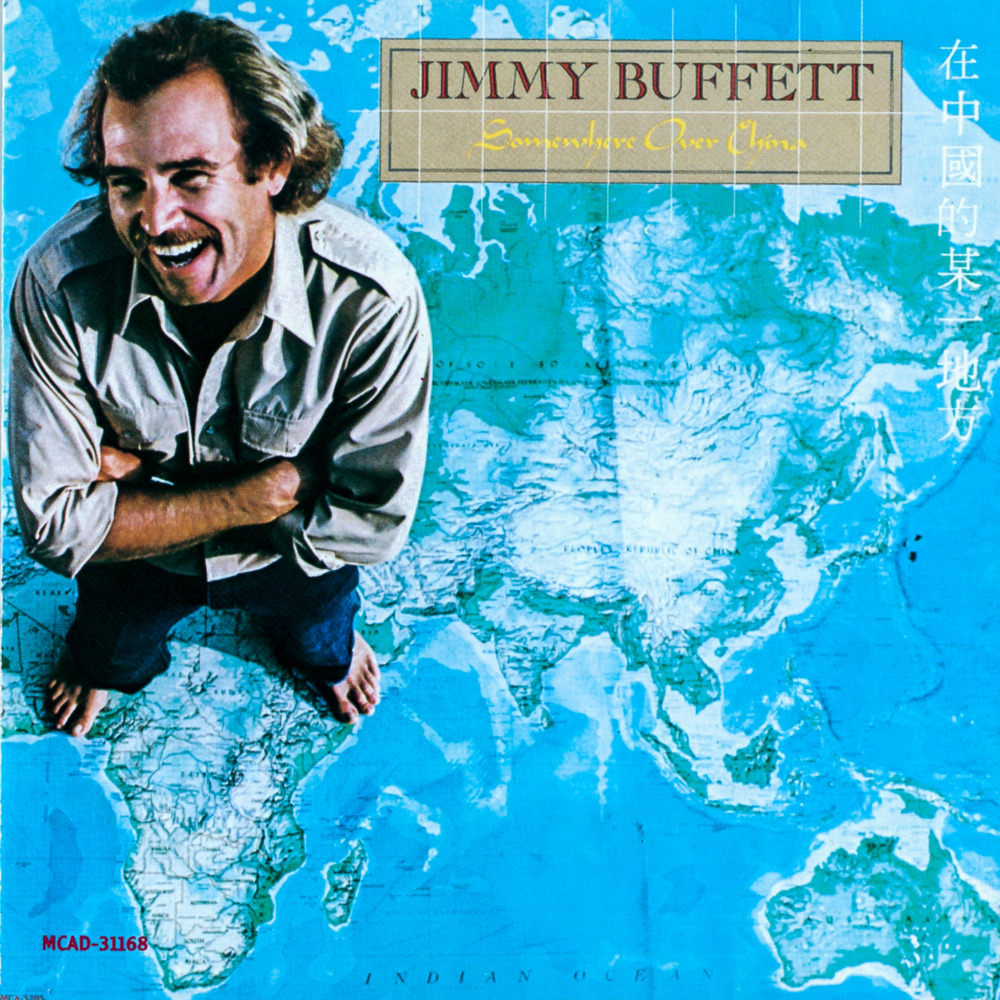
 View Artist