Song Meaning
Jimmy Buffett's "Livingston's Gone to Texas" isn't just a story about geographical relocation; it's a poignant exploration of emotional escape and the collateral damage of chasing personal fulfillment. The repetition of "Nothing here is different, nothing's changed at all" casts a pall over the narrative, highlighting the stagnant environment Livingston fled, while simultaneously underscoring the void his absence creates. He's off on some romanticized cowboy adventure, roping and riding, but the lyrics subtly question the authenticity of this pursuit. Is it genuine self-discovery, or a carefully constructed facade to mask a deeper dissatisfaction? The open-ended nature of the verses leaves the listener to decide.
Buffett doesn't shy away from the fallout of Livingston's departure. The repeated question of whether he "ever thinks about the tears his woman cried" injects a dose of guilt into the idealized image of the wandering cowboy. Holly, left behind, becomes the emotional anchor of the song, her quiet suffering a stark contrast to Livingston's perceived freedom. There's an inherent tension between the desire for individual growth and the responsibility to those we love, and Buffett deftly navigates this complex terrain. The lyrics referencing letters from Texas, where Livingston claims to miss Holly under starry nights, ring somewhat hollow. It's a classic case of projecting an image of caring while physically and emotionally distancing oneself.
Ultimately, "Livingston's Gone to Texas" is a bittersweet meditation on the human condition. It acknowledges the allure of escape, the siren song of reinvention, but also forces us to confront the consequences of our choices. The falling snow at the end of the song adds a layer of melancholy, suggesting that even in the vast expanse of Texas, Livingston cannot completely outrun the emotional baggage he left behind. The song subtly suggests that the pursuit of personal dreams, while valid, can leave a lasting mark on the hearts of those who remain. It's a reminder that sometimes, the greatest adventures come at a cost.
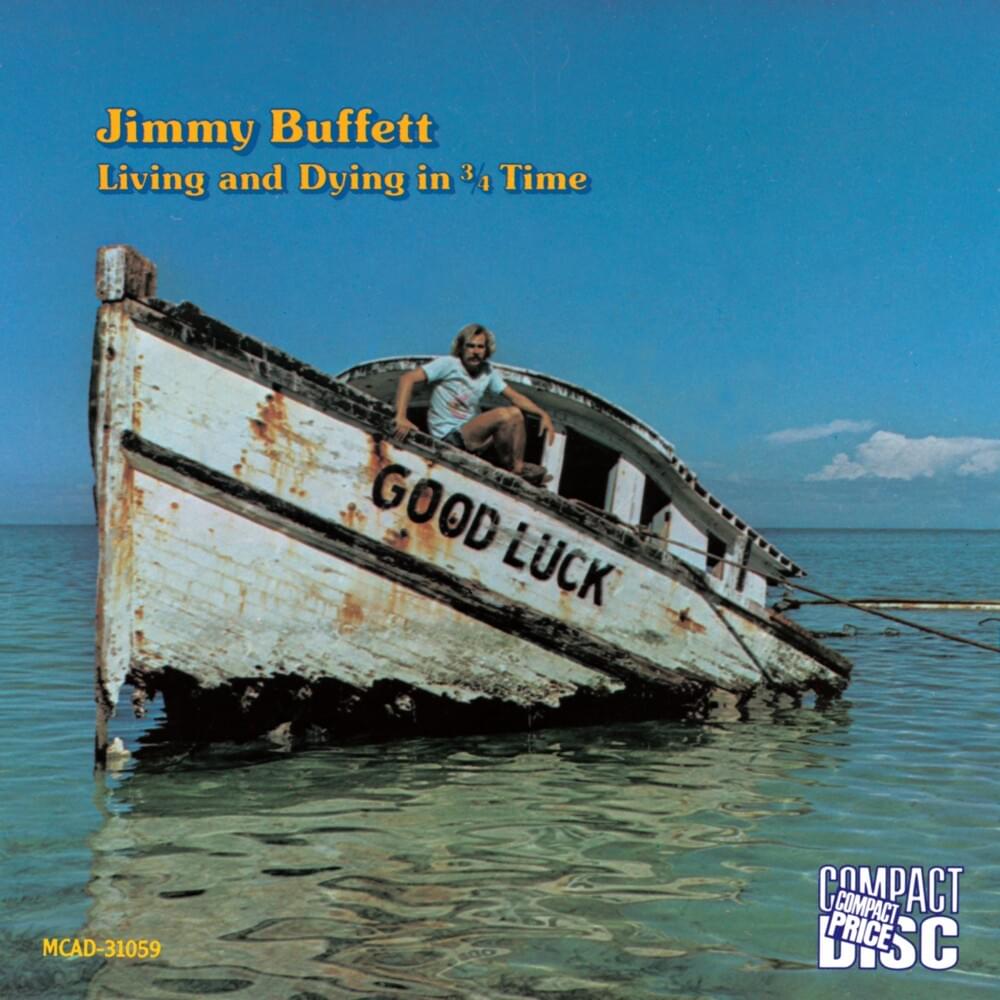
 View Artist