Song Meaning
The narrator is confessing to a transgression, admitting to drinking and getting into trouble, which led them to seek solace in substances like whiskey and cocaine. They frame these actions as a desperate attempt to cope and return to the listener's embrace, suggesting a deep-seated need for connection despite their self-destructive behavior. The repeated declaration "oh I'm guilty" underscores a profound sense of remorse, yet it's immediately followed by a chilling resolve: "But I'll be guilty all the rest of my life," hinting at a cyclical pattern of failure and self-condemnation.
The core tension lies in the narrator's inability to act as expected, a recurring theme articulated through the frustrated questions: "Oh how come I never do / What I'm supposed to do." This self-awareness of their own shortcomings fuels a desperate need to escape their identity, as they admit, "sometimes I just can't stand myself." The pursuit of oblivion through "a whole lot of medicine" is a direct response to this internal conflict, a means to "pretend I'm somebody else" rather than confront their perceived failings.
The most striking aspect of the lyrics is the almost defiant acceptance of guilt. The initial confession is powerful, but the subsequent vow to remain "guilty all the rest of my life" transforms the admission from a plea for forgiveness into a statement of resigned identity. This suggests the narrator doesn't just feel guilty about this specific incident, but about their fundamental nature, viewing their struggles as an inescapable part of who they are. The repetition of "guilty" amplifies this sense of being trapped in a self-perpetuating cycle of poor choices and self-loathing.
Ultimately, these lyrics resonate because they tap into a raw, relatable struggle with self-control and identity. The narrator's vulnerability in admitting their "trouble" and their reliance on external "medicine" to cope with an unbearable self-image creates a powerful portrait of someone caught in a loop of regret. The stark, unadorned language and the cyclical structure, mirroring the narrator's own perceived inability to break free, make the confession feel intensely personal and tragically authentic.
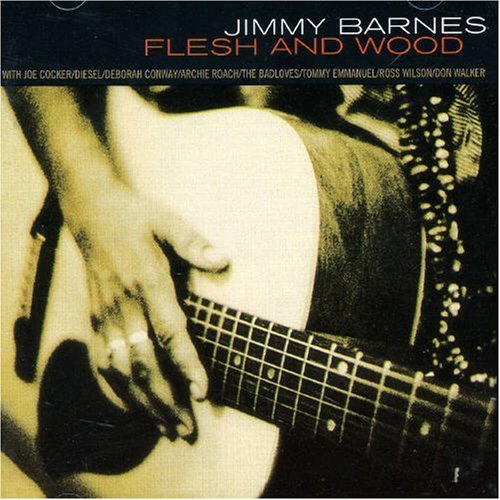
 View Artist