Song Meaning
Jimmie Vaughan's "No One to Talk to (But the Blues)" is a masterclass in minimalist emotional excavation. Stripped down to its rawest components, the song lays bare the agony of abandonment and the desperate, hollow echo of loneliness. It's not just heartbreak; it's the crushing realization that the emotional architecture of a life has crumbled, leaving the narrator stranded in a wasteland of regret. The opening lines hit with the force of a physical blow: a silent, empty home, belongings scattered like debris from an explosion. This isn't a subtle metaphor; it's a visceral depiction of a life upended. The discarded love letter, still bearing the ghostly imprint of "I love you," only amplifies the pain, twisting affection into a cruel reminder of what's been lost. The blues, in this context, aren't just a musical genre; they're the sole confidante, the only entity capable of absorbing the immensity of the narrator's despair.
The song's brilliance lies in its understated simplicity. Vaughan doesn't wallow in self-pity or resort to overwrought theatrics. Instead, he presents a stark, unadorned portrait of a man grappling with the consequences of his actions. The brief reflection on heated arguments and the bitterness they breed offers a glimpse into the relationship's unraveling. It's a fleeting moment of self-awareness, acknowledging the role both parties played in the disintegration of their bond. The plea for reconciliation – "Come on back home where you belong / I love you, baby, yes I was wrong" – is delivered with a fragile sincerity. It's a desperate attempt to rebuild, to salvage what remains, but it's also tinged with the understanding that the damage may be irreparable.
The repetition of the line "No one to talk to, no one to talk to but the blues" functions as both a lament and a mantra. It underscores the profound isolation at the heart of the song, suggesting that human connection has been severed, leaving only the solace of the blues. In essence, "No One to Talk to (But the Blues)" captures the universal experience of heartbreak, loss, and regret, transforming personal pain into a resonating exploration of the human condition. It's a reminder that sometimes, in the darkest moments, music is the only language that can truly understand us.
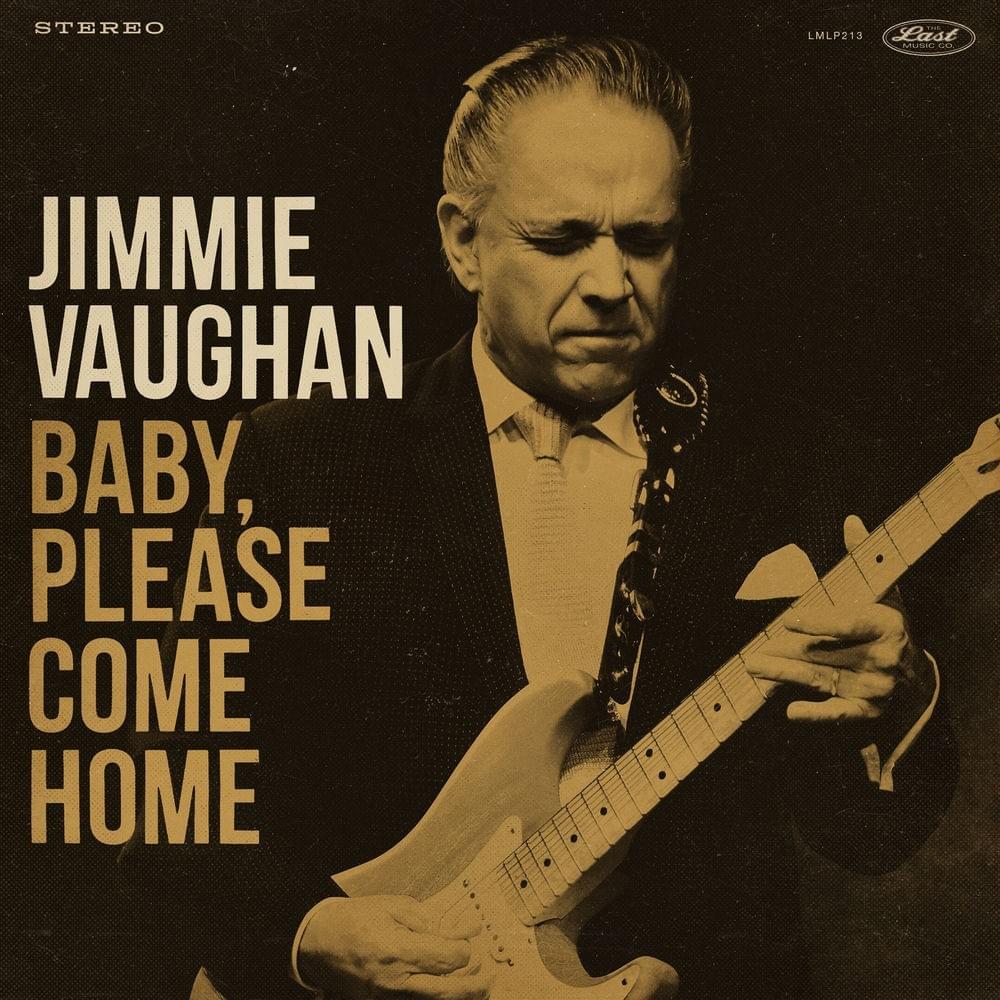
 View Artist