Song Meaning
Jimmie Vaughan's "Astral Projection Blues" isn't just another blues lament; it's a sonic exploration of absence, a journey beyond the corporeal driven by the ache of longing. The track immediately establishes a stark emotional landscape, the repeated declaration "I'm your lonesome love" acting as both an assertion of identity and a desperate plea. Vaughan isn't merely singing about loneliness; he *is* loneliness, personified as a hovering presence. The "lonesome dove" simile reinforces this sense of isolation, painting a picture of a soul untethered, soaring above the mundane realities of heartbreak. The song meaning hinges on this duality: grounded in the blues tradition of earthly sorrow, yet reaching for something beyond.
The lyrics quickly pivot from simple declaration to a more complex, almost metaphysical state. The lines "Lying here in bed / But my mind instead / Goin' out through my head" introduce the concept of astral projection – the sensation of one's consciousness separating from the body. This isn't a literal out-of-body experience, but rather a metaphor for the intensity of longing. The singer's mind, unable to bear the weight of separation, seeks out the absent lover, transcending physical boundaries in a desperate search: "I'm flying way up here / Bodies way down there / I'm looking for you everywhere." This searching motif underscores the depth of the connection and the torment of its rupture.
The latter half of "Astral Projection Blues" delves into the reciprocal nature of love and loss. The questions posed – "Can you see me / Like I see you / Are you thinking of me too?" – reveal a vulnerability beneath the bluesy bravado. The singer isn't just lamenting his own loneliness; he's yearning to know if the object of his affection feels the same absence. This shared sense of longing, the hope for a mutual connection across the void, elevates the song beyond a simple expression of sorrow. It's a reaching out, a sonic attempt to bridge the gap created by distance and separation. The final repetition of "'Cause I'm crazy in love" isn't just a restatement; it's a culmination, acknowledging the all-consuming nature of love that fuels this extraordinary, blues-infused astral voyage.
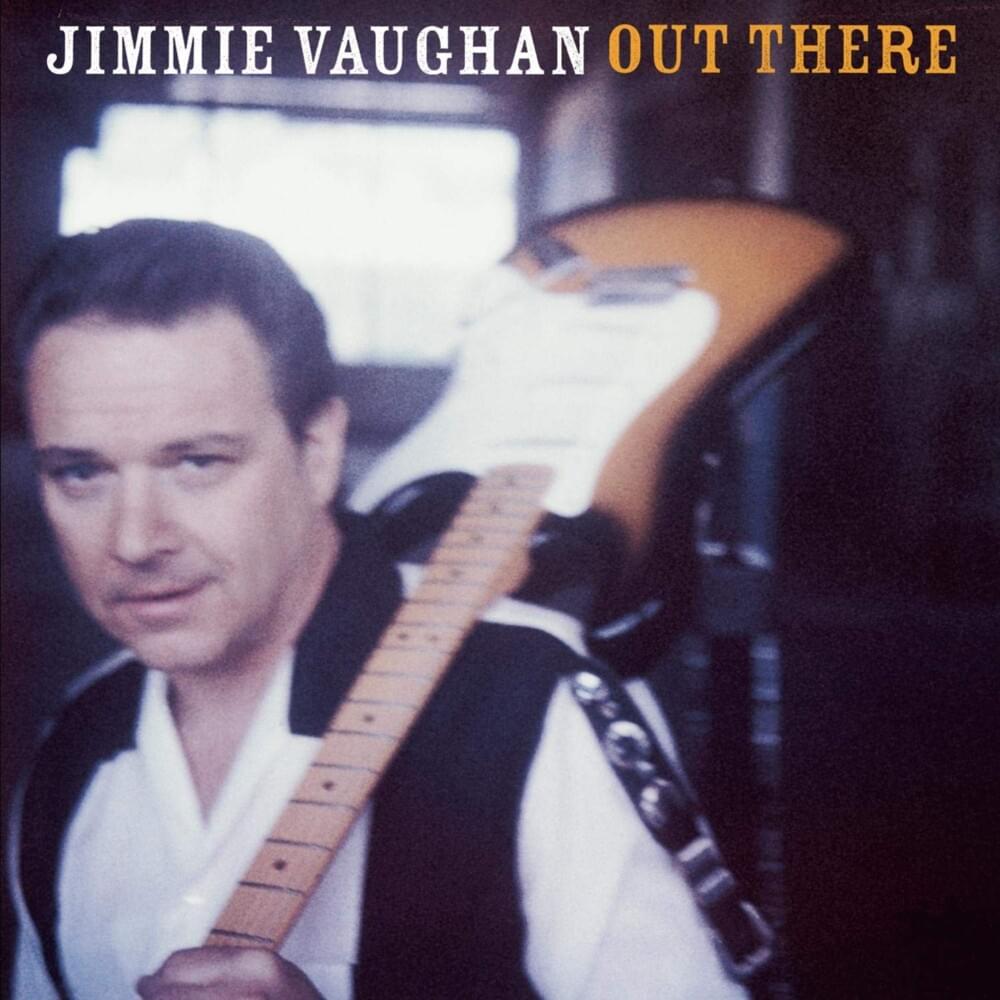
 View Artist