Song Meaning
Jimmie Rodgers' "The Soldier's Sweetheart" isn't just a mournful country ballad; it's a stark psychological study of grief, memory, and the crushing weight of wartime loss. The song's power lies in its stark simplicity, mirroring the direct, unadorned emotional landscape of the grieving sweetheart. She's not a symbol; she's a portrait of a woman grappling with a future irrevocably altered. The initial verses paint an idyllic picture of young love: dark curls, blue eyes, promises whispered in the evening sun. This romanticized past isn't mere nostalgia; it's the bedrock against which the subsequent trauma is thrown into sharp relief.
The transition from courtship to wartime separation is brutal. The lyrics bypass complex political commentary, focusing instead on the intimate moment of farewell. The golden ring becomes a potent symbol – a tangible link to a love threatened by the abstract horror of "no man's land." This isn't just a sentimental token; it's a desperate attempt to anchor the relationship to something real amidst the encroaching chaos. The letters, initially a source of hope and connection, become increasingly fraught as the reality of war closes in. The final letter, penned not by her sweetheart but by his captain, delivers the ultimate blow, shattering the illusion of his return.
The final verse reveals the long-term psychological impact of this loss. The sweetheart's decision to "always live a single life" isn't presented as a noble sacrifice, but as a permanent state of being. The letters and the ring aren't just mementos; they're the architecture of her identity, forever defined by the soldier's absence. The song's meaning resides not just in the tragedy of a life cut short, but in the enduring psychological scars left on those who remain, trapped in a perpetual cycle of remembrance and mourning. Jimmie Rodgers captures the silent, internal battle waged by those left behind, a battle far removed from the physical violence of the battlefield, but no less devastating.
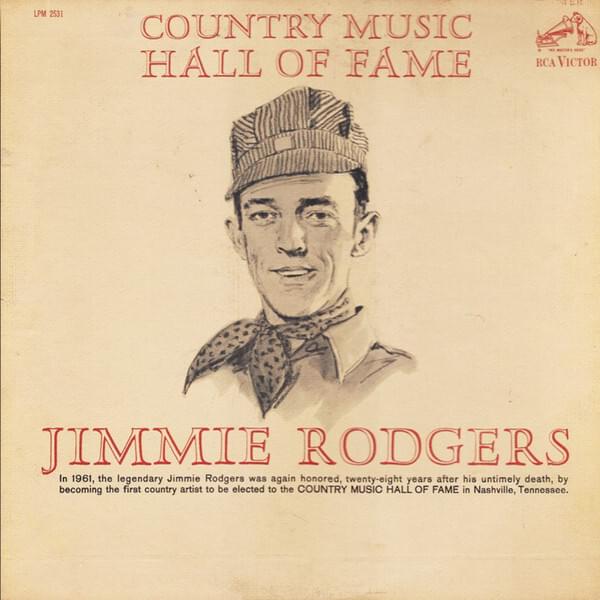
 View Artist