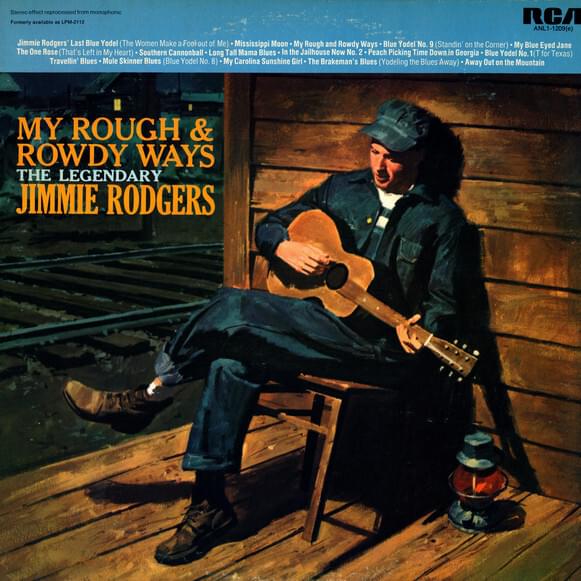
Song Meaning
Jimmie Rodgers' "The One Rose" is less a gentle bloom and more a thorny, persistent reminder of love's inherent fragility. The song meaning isn't buried in complex metaphor; it's right there in the plainspoken sorrow of a man haunted by Rosie, a figure inextricably linked to the "one rose" remaining in his heart. This isn't just about romantic love; it's about the psychological residue of a relationship, the way a single memory – the rose – can stand in for an entire lost world. The opening lines establish a mood of profound loneliness. The rose, in this context, becomes a symbol of resilience and pain, existing "so blue, lonesome too, but still true." It is a paradox, much like the experience of heartbreak itself.
The initial verses paint a picture of idyllic love, a "loveland" where stories are retold each night. However, this idealized past is quickly shattered by the arrival of a "black cloud," a stark metaphor for unforeseen circumstances that led to heartbreak. The use of color imagery – blue, black – emphasizes the emotional extremes. It is in this contrast that Rodgers captures the essence of the song; the contrast between the dream of love and the harsh reality of its loss. The repetition of "You're the one rose that's left in my heart" isn't just a lyrical refrain; it's a mantra of longing and a stubborn refusal to completely let go.
Furthermore, the yodeling, a signature element of Rodgers' style, adds another layer of complexity. It acts as a raw, almost primal expression of grief, bypassing the need for more explicit lyrical articulation. The instrumental break serves a similar function, providing space for the listener to inhabit the emotional landscape of the song. Ultimately, "The One Rose" explores the enduring power of memory and the ways in which even a single, fragile symbol can encapsulate the entirety of a lost love. It's a testament to the human capacity for both profound attachment and enduring sorrow.