Song Meaning
Jimmie Rodgers' "My Rough and Rowdy Ways" isn't just a lament; it's a psychological profile sketched in under three minutes. The song presents a man caught in a fundamental conflict: the yearning for domestic tranquility versus the undeniable pull of his restless, untamed past. He's ostensibly "settled down," built that cottage, and found his lady, yet the insistent call of the rails and the camaraderie of his old haunts prove too powerful to resist. It speaks to a deeper struggle with identity and the difficulty of escaping ingrained patterns of behavior. Rodgers isn't merely recounting a life of rambling; he's exposing the raw nerve of addiction to a certain kind of freedom, even if that freedom is self-destructive.
The lyrics reveal a tension that many can relate to: the desire for change battling against the comfort of the familiar, however flawed that familiarity might be. The "perfect lady" and the "cottage in the old hometown" represent an aspirational self, a vision of stability and belonging. But the pull of "good old rambling days" suggests that this new identity is fragile, constantly threatened by the allure of his former life. The brief encounters with old acquaintances trigger a relapse, highlighting the power of social influence and the difficulty of breaking free from established social circles. The mention of a "bounder" who knew him "when I was a rounder" hints at a recognition, that his new identity is only skin deep.
The genius of "My Rough and Rowdy Ways" lies in its unflinching honesty. Rodgers doesn't offer excuses or justifications; he simply acknowledges the inherent contradiction within himself. He "may be rough, I may be wild," but he can't deny who he is at his core. It's a portrait of a man wrestling with his demons, a battle not easily won. Ultimately, the song's meaning revolves around the idea that some aspects of our nature are simply too deeply ingrained to be easily shed, and that the pursuit of self-improvement is often a lifelong struggle against our own impulses.
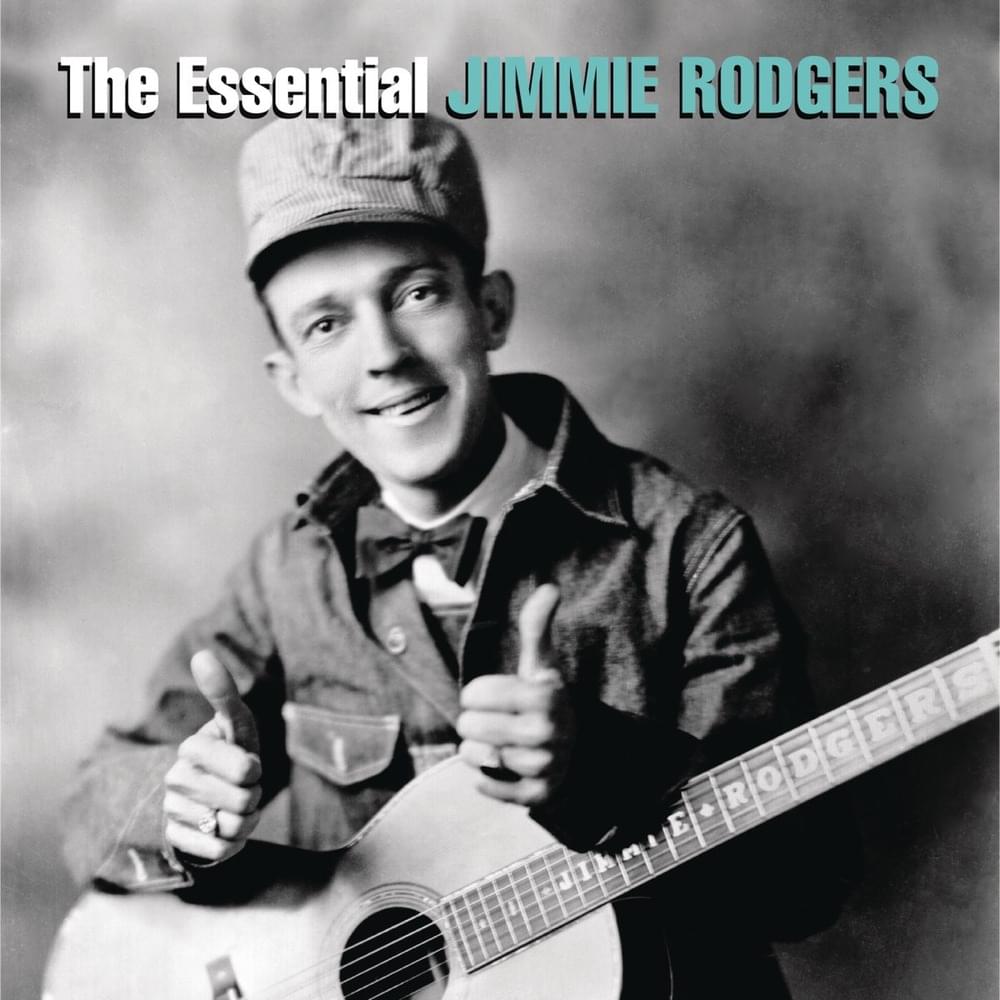
 View Artist