Song Meaning
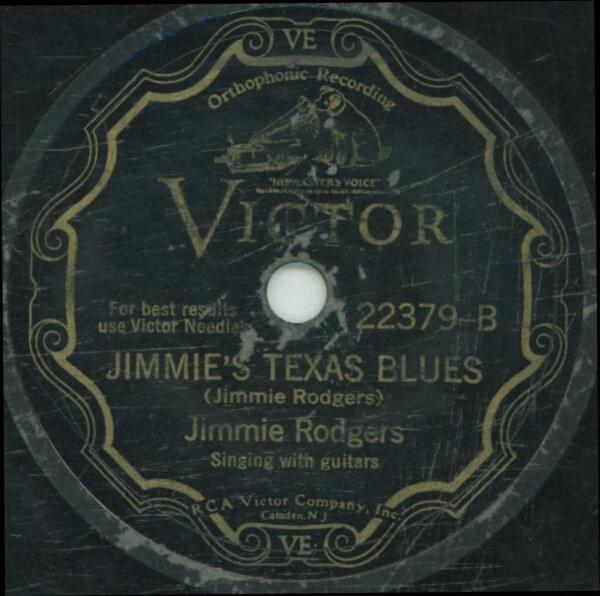
Jimmie Rodgers' "Jimmie's Texas Blues" isn't just a song; it's a raw nerve exposed. The opening lines, bordering on suicidal ideation ("sometime I wish I were dead"), immediately plunge us into the depths of despair. This isn't abstract melancholy; it's the tangible weight of homelessness and the gnawing ache of loneliness. Rodgers isn't just singing about feeling down; he's confronting a reality where even the basic need for rest is denied ("ain't got no place to lay my weary head"). The rawness is palpable, offering no romanticized version of the bluesman's plight. It's simply, brutally, there. The stark simplicity of the lyrics amplifies the emotional impact. There's no artifice, no clever wordplay to distract from the gut-wrenching honesty.
The volatile relationship with a woman is a central theme. Her consistent absence ("Every time I want you, I always find you gone") fuels the narrator's pain and hints at a pattern of abandonment. The threat to "put your headbreaks on" is a flash of anger, perhaps born from desperation, but it also underscores the power dynamic at play. He's not a passive victim; there's a simmering resentment and a desire to reclaim some control, however misguided. This adds a layer of complexity, acknowledging the darker impulses that can arise from heartbreak and hardship. The mention of different cities ("Chicago, Memphis, Tennessee") serves as a contrast to his ideal: Dallas, Texas. This isn't just about location; it's about finding a place where he feels valued and desired ("where the women think the world of me"). It's a search for belonging, for validation, in a world that has otherwise rejected him.
Ultimately, "Jimmie's Texas Blues" transcends personal lament to offer a broader commentary on the human condition. The line "You may have your troubles, I'm having my troubles too" acknowledges shared suffering, creating a sense of solidarity with the listener. Rodgers isn't seeking pity; he's offering a connection, a recognition that everyone faces their own burdens. And in the end, Rodgers redefines the blues, stating, "The blues ain't nothing but a good man feeling bad." He's not just performing a genre; he's distilling its essence. It's a powerful statement that strips away any romantic notions and presents the blues as a fundamental expression of human vulnerability.
 View Artist