Song Meaning
Jimmie Rodgers’ "Blue Yodel No. 2 (My Lovin' Gal, Lucille)" isn't just a song; it's a raw nerve exposed, a primal scream echoing from the hardscrabble realities of early 20th-century America. The blues, as Rodgers understood, weren't just a musical style, but a palpable feeling, a suffocating weight of loss and regret. Here, that manifests as the singer's impending separation from Lucille, a woman he clearly loves despite her 'lowdown ways.' This isn't romantic love in the Hallmark sense; it's a messy, complicated entanglement where affection and resentment intertwine. The singer acknowledges his own complicity, admitting she 'got me in trouble and now I'm servin' days,' suggesting a shared history of bad choices and consequences. The looming absence of Lucille acts as a catalyst, not just for sadness, but also for self-reflection and a darkly humorous acceptance of his fate.
The genius of "Blue Yodel No. 2" lies in its unflinching portrayal of a man caught between desire and despair. The lyrics are simple, almost brutally direct, yet they resonate with a profound emotional depth. The image of sending a letter 'in care of the Birmingham jail' is particularly evocative, painting a picture of a life constrained by circumstance and poor decisions. It's a testament to the power of country blues that it can elicit such empathy for a character who is, by his own admission, deeply flawed. He's not asking for pity, but rather acknowledging the reality of his situation. The yodeling, an integral part of Rodgers' style, adds another layer of complexity, a plaintive cry that transcends the limitations of language, conveying a sense of longing and isolation.
Beyond the immediate heartbreak, "Blue Yodel No. 2" hints at a deeper societal critique. The singer's declaration, 'I ain't gonna marry and I ain't gonna settle down / I'm gonna be a rounder 'til the police shoots me down,' speaks to a rejection of conventional norms, a refusal to be tamed by societal expectations. This rebellious spirit, fueled by economic hardship and a sense of alienation, is a recurring theme in blues music. The final verse, with its defiant, almost boastful tone ('You can blow your whistle mama you can toot your horn / You're gonna wake up some morning and find your daddy gone'), suggests a man who is determined to maintain his independence, even if it means sacrificing love and stability. The song's meaning then, isn't just about romantic loss, but about the struggle for self-determination in a world that often offers little opportunity.
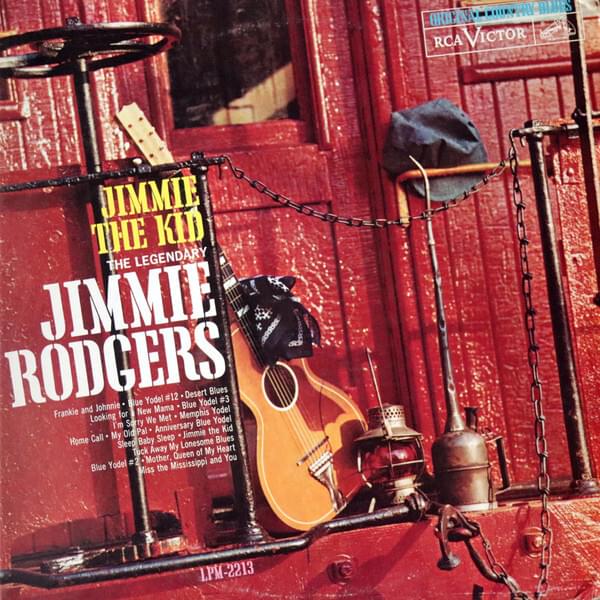
 View Artist