Song Meaning
Jimmie Rodgers' "A Drunkard's Child" isn't just a maudlin tale; it's a stark tableau of societal decay, painted with the raw brushstrokes of early country music. The song's power resides not in subtle metaphor, but in its unflinching depiction of poverty, addiction, and familial collapse. The narrator, a nameless orphan, embodies the collateral damage of her father's alcoholism and gambling. Stripped bare of innocence and security, she wanders a world that offers no solace, foreshadowing her inevitable demise. The lyrics analysis reveals a circular causality: the father's vices lead to the mother's death (a 'broken heart,' itself a potent symbol of emotional devastation), which in turn leaves the child vulnerable and alone. Rodgers masterfully uses this child's perspective to indict not only the father, but also a society seemingly indifferent to the plight of its most vulnerable members. The promised 'golden shore' of heaven offers the only escape from earthly suffering.
While the melody might lull listeners into a sense of nostalgic comfort, the lyrics of "A Drunkard's Child" deliver a brutal indictment of addiction's ripple effects. The repeated references to rum and gambling are not mere plot devices; they represent the seductive allure of escape for the father, an escape that ultimately destroys his family. The child's plea – 'try to find someone to cheer and save my poor lonely dad' – adds a layer of complexity. It's not a simple condemnation, but a desperate attempt to salvage some humanity from the wreckage. This line suggests a glimmer of empathy, even forgiveness, amidst the overwhelming despair. It implicitly asks the listener to consider the systemic factors that might contribute to such self-destructive behavior.
Ultimately, the song meaning transcends its specific narrative. "A Drunkard's Child" operates as a social commentary, forcing listeners to confront uncomfortable truths about poverty, addiction, and the human cost of societal neglect. The child's death, while tragic, serves as a potent symbol of innocence lost and the devastating consequences of unchecked societal ills. The song's enduring appeal lies in its ability to evoke empathy and provoke reflection on the responsibilities we have to each other, particularly to those most vulnerable among us. The lack of specific details—the child's name, the location—makes her story universal, a timeless reminder of the human capacity for both destruction and, perhaps, redemption.
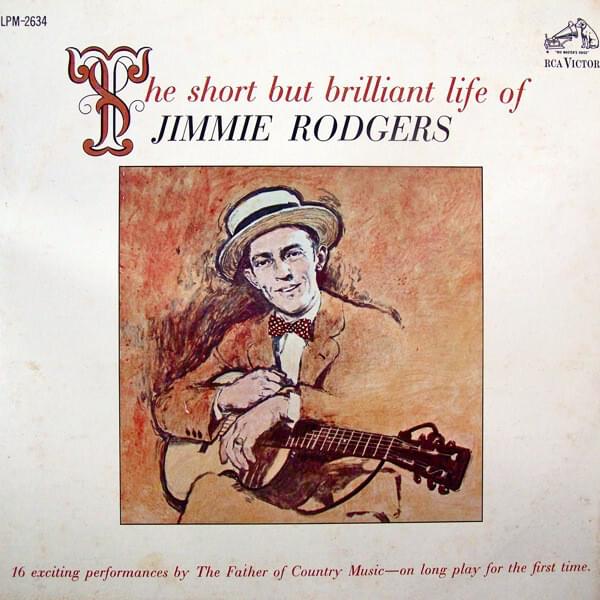
 View Artist