Song Meaning
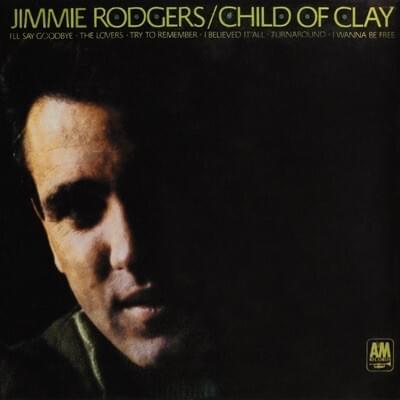
The lyrics paint a vivid picture of lost childhood innocence, contrasting simple, foundational beliefs with the complexities of adult experience. The opening lines, referencing nursery rhymes like "Mary had a little lamb" and basic arithmetic like "One and one make two," establish a world of absolute truths and predictable outcomes. This is further cemented by the imagery of birthday wishes coming true, suggesting a time when desires felt attainable and magic was real. The narrator is clearly looking back, invoking these simple certainties as a benchmark for a past state of being.
The central tension arises from the narrator's yearning to return to this state of unadulterated belief. The question "Does she love me, does she not?" echoes a childlike uncertainty, but it’s framed within the context of a desire to recapture the past. The bridge amplifies this by recalling a time of perceived safety, where superstitions like "If I didn't step on a crack" held sway and the future seemed bright with "The sun was up ahead." This idyllic past is presented as a stark contrast to an implied present where such simple assurances no longer hold.
The most striking aspect of the writing is the way it uses familiar childhood touchstones to articulate a profound sense of disillusionment. The repetition of "One and one made two" and the nursery rhyme fragments, especially in the bridge and outro, serve as a constant reminder of the foundational beliefs that have since eroded. The direct question, "I believed it all, didn't you?" is not just a rhetorical query but an invitation to share in this lost sense of certainty, highlighting the collective nature of this disillusionment.
Ultimately, the effectiveness of these lyrics lies in their ability to evoke a shared nostalgia for a time when the world seemed simpler and more trustworthy. By grounding the abstract concept of lost innocence in concrete, universally recognized childhood references, the song taps into a deep emotional reservoir. The contrast between the simple past and the implied complex present makes the narrator's longing palpable, resonating with anyone who has experienced the inevitable shedding of youthful certainties.
 View Artist