Song Meaning
The narrator's focus is fixed on a "Red House over yonder," establishing it as the dwelling place of his "baby." This initial image sets up a sense of longing and distance, underscored by the stark declaration of being away for "ninety nine and one half days." The repetition of the house and the baby's location emphasizes the singular object of his desire and the length of his absence, building anticipation for a reunion.
The narrative takes a sharp turn when the narrator's attempt to enter the house is thwarted; the key won't unlock the door. This physical barrier immediately introduces a jarring sense of unease and betrayal, escalating into a "bad bad feeling." The repeated plea, "Lord, have mercy," amplifies the dawning realization that his baby might no longer reside there, shifting the emotional landscape from hopeful anticipation to dread and suspicion.
The most striking pivot occurs with the abrupt shift in the narrator's focus and the introduction of a dark, pragmatic humor. Faced with the apparent loss of his baby, he declares, "That's all right, I still got my guitar." This line, delivered with a live performance flourish, transforms the potential heartbreak into a resilient, albeit cynical, coping mechanism. The final lines reveal a transactional, almost transactional, view of affection: "'Cause if my baby don't love me no more / I know her sister will." This twist suggests a deep-seated emotional detachment or a learned survival strategy, where romantic disappointment is met with a pragmatic, if morally ambiguous, redirection of desire.
This song's effectiveness lies in its stark, almost brutal, honesty and its unexpected turns. The initial setup of a simple longing quickly devolves into a narrative of potential abandonment, only to be subverted by the narrator's self-serving, guitar-centric resilience. The final couplet is particularly potent, revealing a character who, rather than wallowing in sorrow, immediately pivots to a readily available alternative, highlighting a complex emotional economy where love is perhaps less about deep connection and more about immediate gratification and availability.
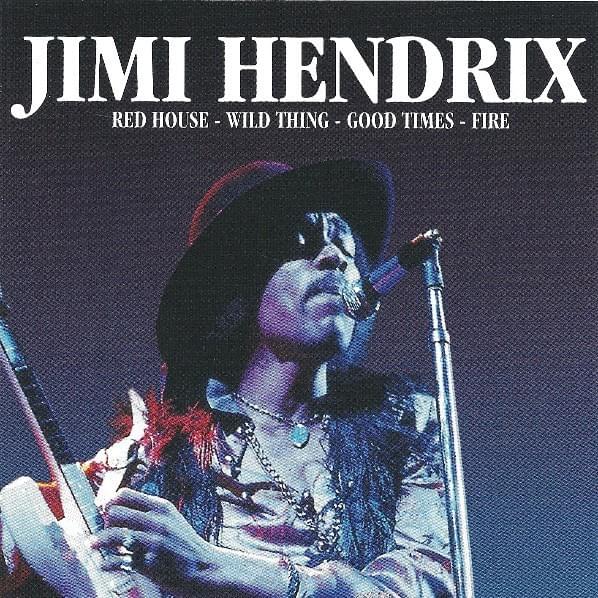
 View Artist