Song Meaning
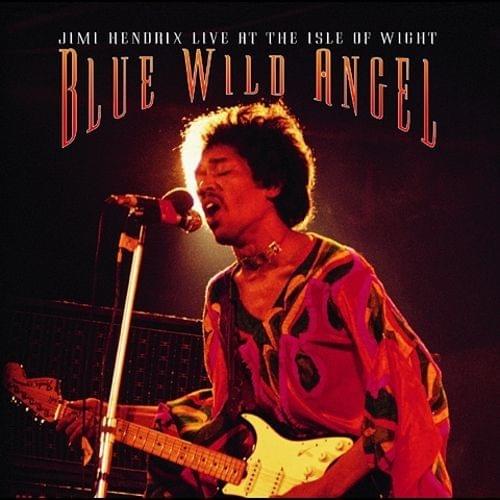
The spoken intro to this live performance of "God Save the Queen" frames the iconic British anthem not as a solemn declaration, but as a raucous, communal call to arms. Hendrix, in his characteristic style, injects a sense of raw, immediate energy, urging the crowd to participate with a blunt "Stand up... and start singin'." The directive is less about patriotic duty and more about shared experience, a collective roar from the audience. It’s a moment designed to unite the massive festival crowd through sound, transforming a national symbol into a visceral, shared anthem for the present moment.
The performance is set up as an invitation to a massive singalong, a deliberate choice to engage the audience directly. Hendrix’s instructions are informal and inclusive, even offering a defiant "and if you don't, fuck it," which suggests a rejection of rigid formality in favor of genuine, unforced enthusiasm. This approach democratizes the anthem, making it less about deference to authority and more about the collective power and voice of the people gathered. The emphasis is on the shared energy and the act of singing together, rather than the specific political implications of the original song.
The most striking element is the juxtaposition of the formal "God Save the Queen" with Hendrix's decidedly informal, almost rebellious stage banter. He asks for "a minute to tune up" and expresses gratitude for the crowd, grounding the monumental event in practical, human terms. The instruction to "join us" and the anticipation of the song being "better" if everyone sings highlights a focus on communal participation and the amplified power of a unified voice. This transforms the anthem into a vehicle for shared catharsis and collective identity within the festival atmosphere, rather than a simple recitation of loyalty.
Ultimately, this intro works by leveraging the familiarity of the anthem while subverting its traditional context. Hendrix uses it as a prompt for a massive, shared sonic event, emphasizing unity and raw energy over solemnity. The effectiveness lies in its ability to make a potentially staid national song feel immediate, participatory, and exciting for a vast, diverse audience. It’s a masterful move to harness the collective spirit of the Isle of Wight festival, turning a symbol of the establishment into a moment of shared, unadulterated rock and roll communion.
 View Artist