Song Meaning
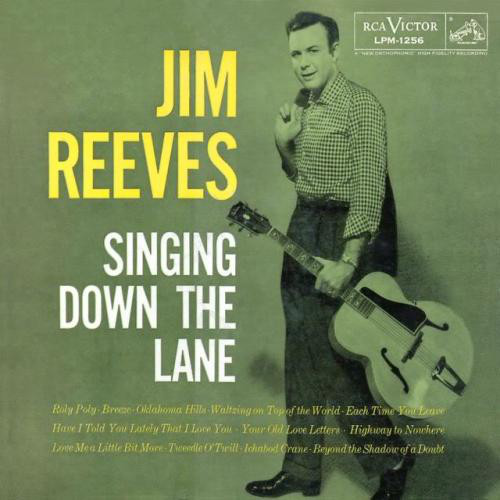
Jim Reeves' "Your Old Love Letters" isn't just a country ballad; it's a meticulously crafted exercise in melancholic self-excavation. The simple act of burning old letters becomes a ritual of grief, a pyre for a relationship dissected and mourned. The singer isn't merely destroying paper; he's attempting to incinerate the lingering tendrils of memory and regret that bind him to a past love. Each letter, read one last time before its immolation, serves as a painful reminder – a forensic analysis of where things went wrong. The lyrics reveal a man trapped between the allure of nostalgia and the necessity of closure. He savors "each tender word" even as he acknowledges the finality of "we were through."
The recurring motif of the "first" and "last" letters highlights the arc of the relationship – from saccharine beginnings to a heartbreaking end. This juxtaposition underscores the inevitable decay of affection, the slow erosion of promises. The image of the letters "tied in blue" adds another layer of poignancy. Blue, often associated with sadness and fidelity, suggests a commitment that ultimately failed. The act of burning becomes almost cathartic, a desperate attempt to transform pain into something tangible, something that can be reduced to ash. Yet, the very act of reliving those memories while destroying them hints at a deeper, perhaps unconscious, resistance to letting go.
Ultimately, "Your Old Love Letters" explores the complex psychology of heartbreak. It’s about the struggle to reconcile idealized memories with the harsh reality of separation. The song doesn't offer a neat resolution or a triumphant declaration of moving on. Instead, it lingers in the ashes, in the bittersweet space between love and loss, acknowledging the enduring power of the past to shape our present. Reeves's delivery, with its signature blend of vulnerability and understated emotion, amplifies the song's profound sense of longing and the quiet desperation of a man trying to extinguish the flames of a love that refuses to die.
 View Artist