Song Meaning
Jim Reeves's "When I Lost You" isn't just a lament; it's an inventory of absence. The song meticulously catalogs what's been forfeited, painting a portrait of devastation through the language of what is *no longer*. It's a study in emotional accounting, where love is tallied not by what it gave, but by the gaping void it leaves behind. The lyrics, while simple on the surface, resonate with a profound sense of irrevocable loss. The opening lines set the stage, ticking off natural wonders – sunshine, roses, blue skies, rainbows, morning dew – each a symbol of joy and beauty now rendered inaccessible. This isn't just heartbreak; it's an environmental catastrophe of the soul. The lost world is a direct consequence of the relationship's end.
The repeated phrase, "I lost the angel who gave me summer the whole winter through," is particularly telling. It suggests a love that transcended seasons, a source of warmth and light during the darkest times. The 'angel' is not just a lover, but a provider, a sustainer. Losing this figure isn't just romantic loss; it's a loss of essential life support. The transformation of "gladness that turned into sadness" is the core emotional pivot. It's the stark before-and-after, the agonizing realization that the source of immense joy is now the architect of profound sorrow.
Ultimately, "When I Lost You" speaks to the uniquely human capacity to define ourselves by what we lack. Reeves transforms grief into a tangible entity, a collection of vanished blessings. The song doesn't delve into the reasons for the breakup, or offer any hope for reconciliation. Instead, it lingers in the desolate present, meticulously documenting the fallout. It’s a haunting reminder that love, when lost, can leave behind a landscape as barren as a winter wasteland, a testament to the profound power another person holds over our internal world.
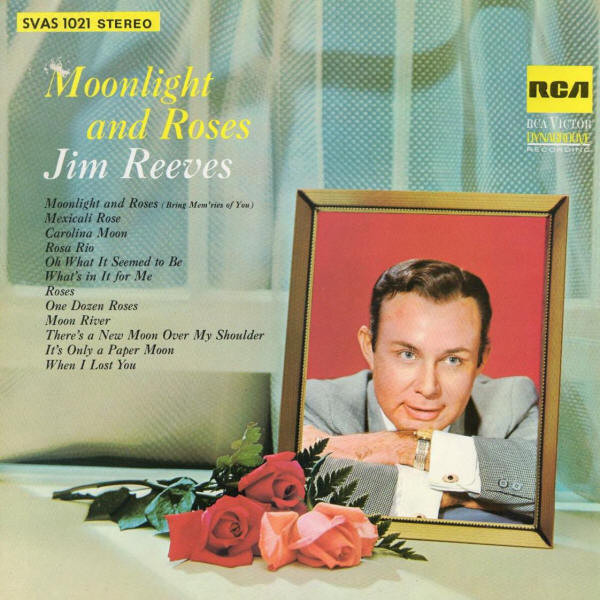
 View Artist