Song Meaning
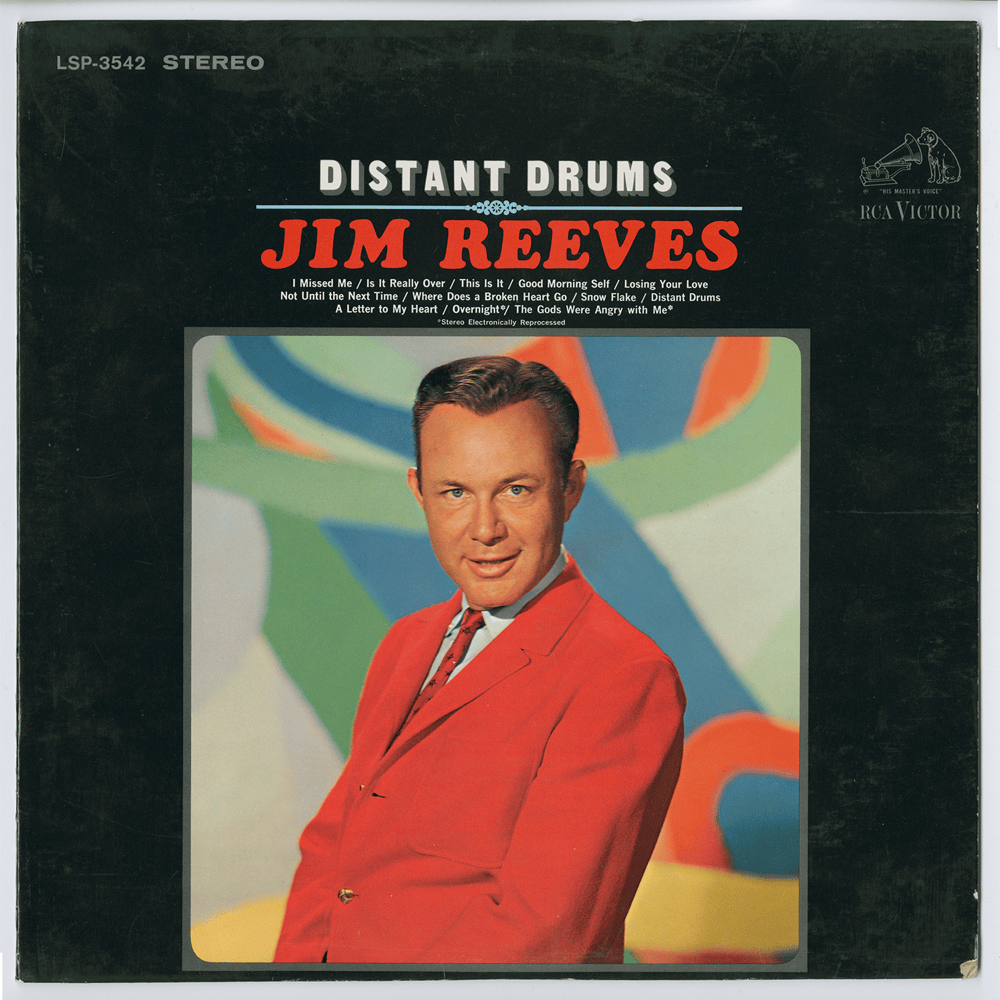
Jim Reeves's "This Is It" isn't just a countrypolitan heartbreak ballad; it's a masterclass in the psychology of acceptance, or rather, the agonizing prelude to it. The song meaning hinges on the stark realization of finality. Reeves isn't wallowing in denial; he's staring directly into the abyss of a love lost, acknowledging the departure with a weary resignation. The repeated phrase, "This is it," functions as a painful mantra, a forced acknowledgment of an unwelcome truth. It's the sound of a door slamming shut, not with anger, but with the dull thud of inevitability.
The lyrics paint a picture of a man caught between self-awareness and persistent hope. He recognizes his own foolishness, admitting he'd welcome his lover back despite the pain. This isn't blind optimism, but rather a glimpse into the complex patterns of attachment and the difficulty of breaking free from familiar bonds. The image of "teardrops fall[ing]" while wondering why he cares is particularly poignant, highlighting the disconnect between rational understanding and emotional response. He knows he *shouldn't* care, but the heart, as always, has its own stubborn logic.
What elevates "This Is It" beyond a simple lament is the subtle exploration of time and its relationship to grief. The stopped clock becomes a powerful symbol. It's not merely a cliché of heartbreak; it represents the stagnation of the present, the feeling that life itself has paused in the wake of loss. The lines "time's run out of me / It's over it's all through" suggest a profound sense of closure, but a closure that is imposed rather than embraced. While she is free to find another love, "this is it for me" is a prison of the heart, a self-imposed sentence of lingering affection. Jim Reeves captures not just the sadness of a breakup, but the unsettling stillness that follows when the music stops.
 View Artist