Song Meaning
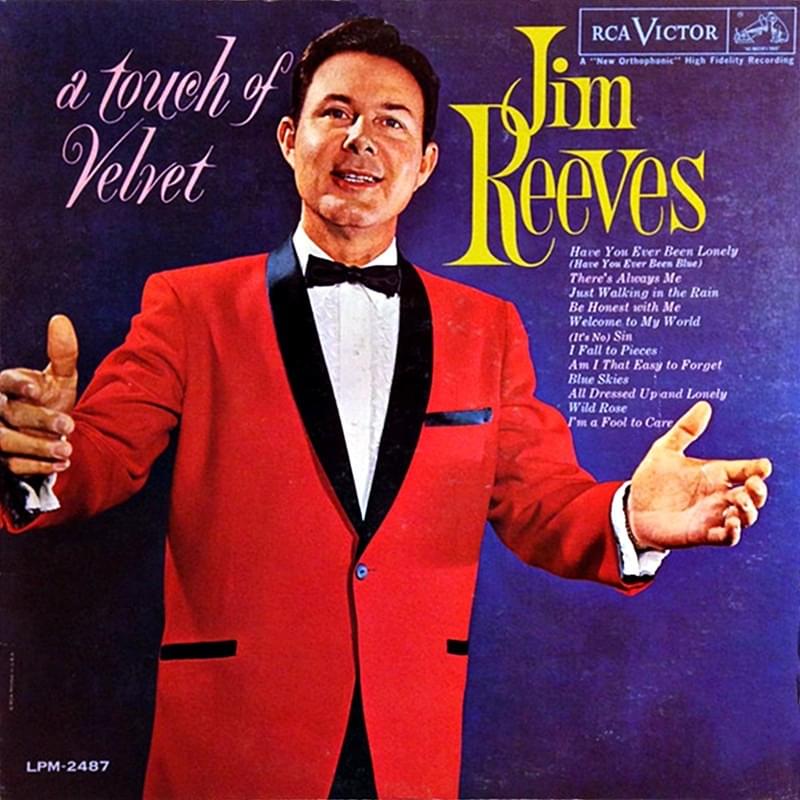
Jim Reeves' "There's Always Me" isn't just a countrypolitan ballad; it's a masterclass in melancholic devotion, a sonic portrait of a man perpetually orbiting the sun of another's affections. The song's core resonance lies in its unflinching acceptance of second-best status. Reeves doesn't posture or demand. He simply *is*, a constant, a fallback, a quiet harbor in the storm of someone else's tumultuous romantic life. The opening lines, "When the evening shadows fall / And you're wondering who to call / For a little company, there's always me," immediately establish this dynamic of availability and unreciprocated longing. It’s a proposition wrapped in a promise: a safe space carved out in the listener's life, no strings (overtly) attached. This isn't about passionate declarations; it's about quiet endurance. Reeves embodies the archetype of the 'nice guy' who is eternally available. He’s the reliable presence, the antithesis of the 'bad boy' who initially captures the heart.
The genius of the song, and perhaps its most psychologically astute element, is the subtle undercurrent of hope. Reeves isn’t just offering comfort; he’s playing the long game. Lines like “Someday you'll want me, dear / And when that day is here…” betray a belief that his steadfastness will eventually be rewarded. It’s a calculated patience, a faith in the eventual disillusionment with fleeting passions. He's betting on the endurance of his 'eternal' love against the ephemerality of other romances. The lyric "Other loves may come and go" is not just a passive observation, but a quiet prediction of the other lovers' inevitable failures.
Ultimately, "There's Always Me" is a study in emotional availability bordering on self-denial. While some might interpret it as selfless love, a more critical lens reveals a potential codependency. Reeves positions himself as the ever-present option, subtly implying that the object of his affection will eventually recognize the value of his unwavering devotion. The song's lingering power lies in its complex portrayal of love, loss, and the quiet desperation of waiting in the wings, hoping to be called onto center stage.
 View Artist