Song Meaning
Jim Reeves' "Can't Leave Me Alone" isn't a desperate plea for connection, but rather a poignant study in self-aware heartbreak. The song's meaning resides not in the protagonist's struggle to hold on, but in his agonizing acceptance of a love that's irrevocably slipping away. He sees the truth, spelled out in the starkest terms: "The writing's on the wall." This isn't a moment of sudden revelation, but a recognition of the inevitable, a slow burn of realization that culminates in the acknowledgement of his displacement. The repeated line serves as a painful mantra, a constant reminder of the relationship's impending doom.
The lyrical narrative unfolds as a series of observations, each one a fresh stab of pain. The phone calls, once a source of connection, are now strained charades where he's relegated to the status of "just a stranger." This isn't a fiery confrontation, but a quiet resignation. The brilliance lies in the contrast between his deep-seated love and his willingness to step aside. It’s a mature, albeit sorrowful, understanding that sometimes the greatest act of love is letting go. He acknowledges the presence of another, someone who has "taken my place," and recognizes the futility of clinging to a love that no longer exists for him. There is a quiet strength in his decision to not "stand in your way."
"Can't Leave Me Alone" explores the complex intersection of love, loss, and self-respect. It’s a study in how one processes the knowledge that they are no longer desired. Reeves avoids the trap of bitterness or resentment, instead choosing to portray a character who, despite his heartbreak, retains a profound sense of empathy. The song's power lies in its quiet dignity, its unflinching gaze at the reality of a love that has run its course. The repetition of phrases like "The writing's on the wall" and "You can't hide what my heart can see" emphasizes the cyclical nature of heartbreak, the way these painful truths echo in the mind long after the relationship is over.
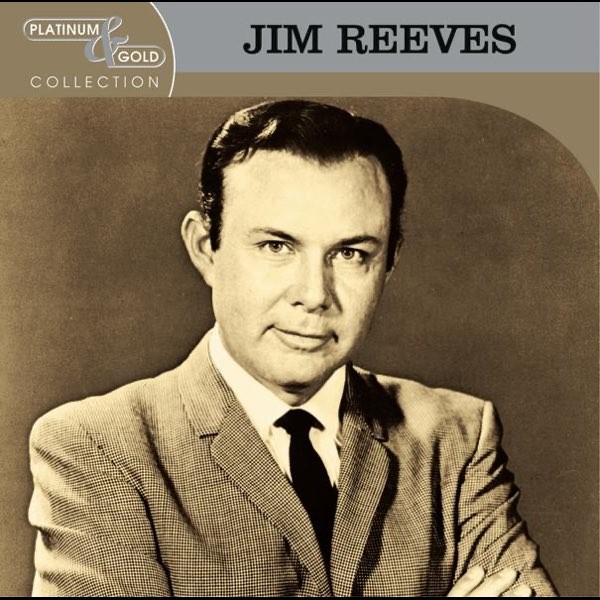
 View Artist