Song Meaning
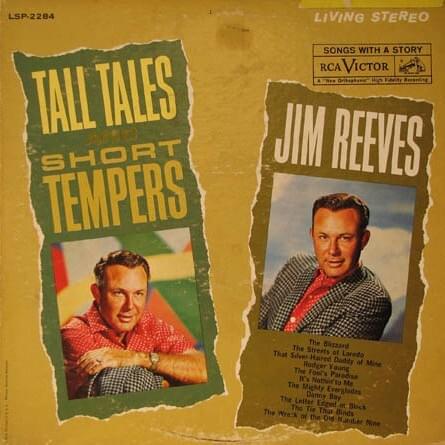
Jim Reeves' "The Tie That Binds" isn't just a country weeper; it's a stark exploration of grief's potential to both shatter and reinforce human connection. The opening paints a picture of desolate isolation: a woman, alone in a cheerless room, haunted by an empty cradle. Her lament reveals a double loss – a dead child and a husband whose love seems to have died with the baby. The initial impulse is escape, a complete severing of ties fueled by pain and a sense of abandonment. She's ready to leave him forever, unable to bear the weight of their shared sorrow. This impulse highlights a common psychological reaction to trauma: the desire to flee from the source of pain, even if it means abandoning crucial relationships.
The turning point arrives with the husband's quiet intervention. He doesn't offer grand gestures or empty platitudes. Instead, he enters the space of shared grief and, with a tender, almost ritualistic act, unpacks the baby's belongings. This isn't about clinging to the past in a morbid way; it's about finding a tangible connection to the love that still exists. The lyrics analysis reveals the power of symbolic objects – a stocking, a shoe, a lock of hair – to represent the enduring bond between the couple and their child. These fragments become relics, imbued with the weight of memory and love.
The song's title, "The Tie That Binds," takes on a complex meaning. Initially, one might assume the 'tie' is the child, now lost. However, the husband's actions suggest that even in death, the shared experience of love and loss creates a new, albeit painful, connection between the couple. It's a recognition that their grief, while isolating, also tethers them to each other. The final lines, "We'll keep a smile, while she sleeps for / She is the tie that binds..." offer a glimmer of hope. It's not a resolution, but a fragile acknowledgement that even in the face of unimaginable loss, love – and the shared memory of it – can endure, offering a path, however difficult, toward healing.
 View Artist