Song Meaning
Jim Reeves' "The One That Got Away" isn't just a country ballad; it's a study in suppressed longing. The song's deceptive simplicity masks a profound exploration of regret and the performance of happiness. Reeves paints a picture of a man outwardly successful, seemingly flitting from one romantic encounter to the next. Yet, beneath the veneer of contentment lies a persistent ache, a void left by the titular 'one that got away.' The lyrics hint at a past relationship that wasn't merely lost, but actively 'took all my love, not just a part,' suggesting a depth of emotional investment that continues to haunt the protagonist. This resonates with the psychological concept of loss aversion – the pain of losing something felt more acutely than the pleasure of gaining something equivalent.
The genius of "The One That Got Away" resides in its portrayal of internal conflict. The man is trapped, not only by his lingering affection, but also by the expectations of others. He feels compelled to maintain the facade of a carefree existence, unable to reveal the depth of his sorrow. Lines like 'I can't let them know that I really don't' expose a vulnerability rarely seen in traditional country music. This creates a poignant tension between public perception and private reality, a theme that continues to resonate with listeners who have experienced the burden of unspoken emotions. The act of 'passing you by without a word to say' on that 'lonely street' is not indifference, but rather a desperate attempt to control the flood of memories and feelings threatening to breach his carefully constructed composure.
Ultimately, the song meaning of "The One That Got Away" transcends simple heartbreak. It's a meditation on the enduring power of first love, the masks we wear to navigate social expectations, and the quiet battles waged within the human heart. The repetitive structure of the lyrics, particularly the chorus, emphasizes the cyclical nature of regret, suggesting that the memory of the lost love continues to replay in his mind, a constant reminder of what could have been. Jim Reeves delivers this with such understated grace, solidifying the track as a timeless exploration of love, loss, and the enduring human struggle to reconcile our inner selves with the image we present to the world.
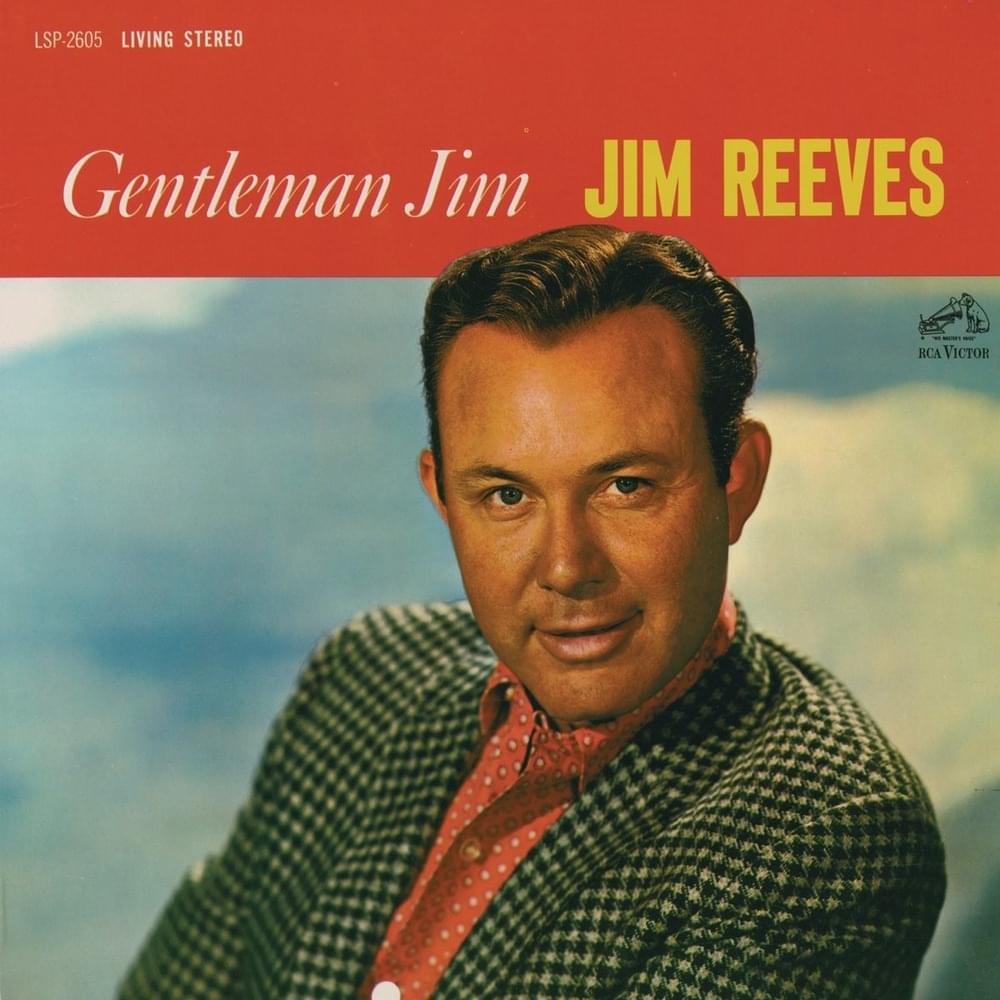
 View Artist