Song Meaning
Jim Reeves' "The Old Kalahari" is less a straightforward country ballad and more a complex, geographically-bound yearning. It operates on multiple levels, intertwining a specific sense of place with broader themes of belonging and mortality. The initial verses, sung in Afrikaans, immediately root the listener in the South African landscape, evoking a sense of nostalgia and regional pride. The references to 'Boere' singing and the desire for the 'Ou Kalahari' establish a powerful connection to the land and its people. It's not just geography; it's identity. The English verses paint a vivid picture of the Kalahari itself – the 'burning sun,' the 'misty plains,' the 'peaceful surroundings.' These images aren't merely descriptive; they represent an idealized vision of home, a sanctuary from the outside world.
The song subtly explores the psychological comfort found in familiar landscapes. The 'Sonbesies' singing and the 'Rooi Afrikaner-osse' represent the simple, enduring beauty of the natural world, providing a sense of constancy and reassurance. This connection to nature becomes even more profound in the final verse.
The closing lines introduce a spiritual dimension. Reeves sings of a 'safari' called by a higher power, a clear metaphor for death. His prayer that the 'old Kalahari' will be part of the 'land in the sky' suggests a desire for continuity, a wish to carry the essence of his earthly home into the afterlife. It transforms the Kalahari from a physical location into a symbol of spiritual comfort and eternal belonging. The song, therefore, becomes a poignant meditation on life, death, and the enduring power of place.
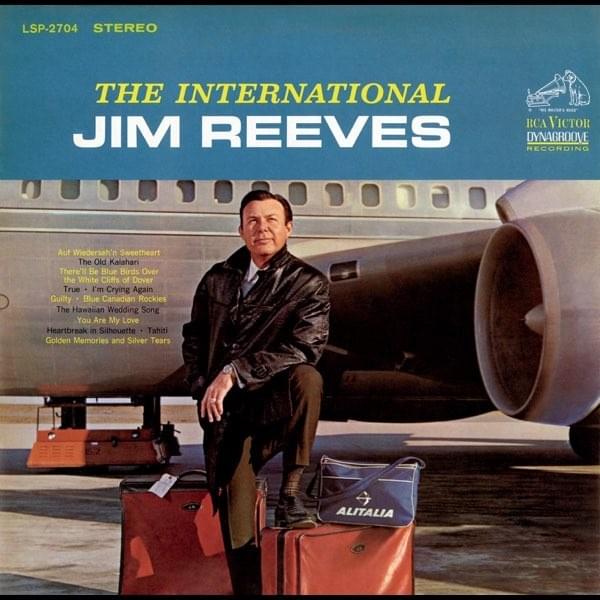
 View Artist