Song Meaning
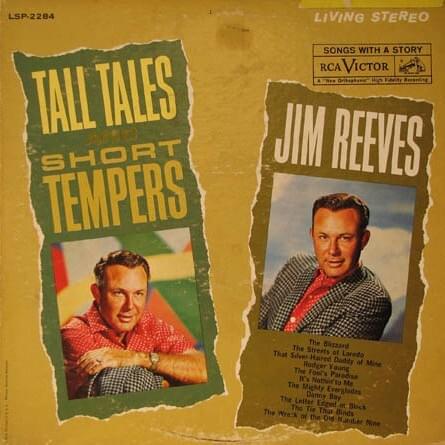
Jim Reeves' "The Mighty Everglades" is more than just a geographical ode; it's a swampy exploration of grief, loss, and the terrifying beauty of nature's indifference. The song uses the Everglades, a "hundred miles of jade," as a metaphor for a psychological landscape, a place where beauty and dread intertwine. The opening paints a picture of natural wonder, but that quickly dissolves into something far more sinister. Reeves sings of things "a-crawling and a-thumping," immediately establishing a sense of unease. This isn't a travelogue; it's a descent into a personal hell. The alligators and snakes are stand-ins for the speaker's internal anxieties, amplified by the unknown fate of his lover.
The repetition of "creepin', seepin'" and the description of "a million things a-weepin'" reinforce the overwhelming sense of sorrow and isolation. The Everglades become a physical manifestation of the speaker's emotional state. His repeated cries for his lost lover, "Oh, please come back my lover," echo through the swamp, unanswered. The lyrics suggest she is either dead or lost, forever wandering within this psychological space. It's significant that the Everglades are described as "fearful," implying a threat that extends beyond the literal dangers of the swamp. The true horror lies in the speaker's inability to escape the memory of his lost love and the pain of their separation.
Reeves' baritone imbues the song with a haunting quality, emphasizing the themes of despair and the cyclical nature of grief. The "spirits of those who ventured in and stayed" serve as a warning, suggesting that some sorrows are so profound that they consume those who experience them. The Everglades, in this context, are not just a location, but a state of mind. The final verses cement this interpretation; the speaker's heart is now "wand'ring with her through the mighty everglades," suggesting that he, too, is now lost within this landscape of grief. "The Mighty Everglades" is a dark, powerful ballad about the ways in which loss can transform the world around us into a reflection of our deepest pain. It's a cautionary tale about the dangers of venturing too far into the wilderness of the human heart.
 View Artist