Song Meaning
Jim Reeves's "Stand In" isn't just a country lament; it's a stark exploration of relational insecurity and the crushing realization of being a placeholder in someone's heart. The song's power lies in its unvarnished honesty, a quality Reeves mastered, cutting through sentimental tropes to expose the raw nerve of unrequited devotion. The repeated admission, "I'm only a stand in," becomes a haunting mantra, etching the singer's vulnerability into the listener's consciousness. It speaks to a universal fear: that our love might not be valued for itself, but as a temporary substitute for something – or someone – else. The lyrics expose a quiet desperation, a man clinging to the hope that his love could transform the situation, only to be confronted with the painful truth.
What elevates "Stand In" beyond a simple tale of heartbreak is the subtle psychological complexity woven into its narrative. The line, "Sometimes the name you whisper isn't mine," is particularly devastating. It's not just about infidelity; it's about a deeper level of emotional unavailability. The woman in question isn't merely cheating; she's mentally and emotionally elsewhere, trapped in a past relationship or an idealized fantasy. The singer's awareness of this creates a profound sense of powerlessness. He's not battling a rival in the present, but a ghost from the past, an intangible force he cannot overcome. This dynamic taps into our anxieties about being truly seen and accepted by our partners, a fear that resonates deeply within the human psyche.
Ultimately, the song meaning of "Stand In" resides in its unflinching portrayal of self-deception and the slow, agonizing process of accepting a painful reality. The repetition of "I thought I had won" and "I thought I could win" highlights the singer's initial optimism, a naive belief in the transformative power of love. But as the song progresses, this hope crumbles under the weight of evidence, leaving him with the bitter taste of disillusionment. The fade-out, with its final, resigned declaration of "I'm just standing in...", emphasizes the open-ended nature of his predicament, suggesting a state of perpetual limbo, forever trapped in the role of a substitute. It's a song about the quiet tragedy of loving someone who can't, or won't, fully reciprocate, a theme that continues to resonate with audiences today.
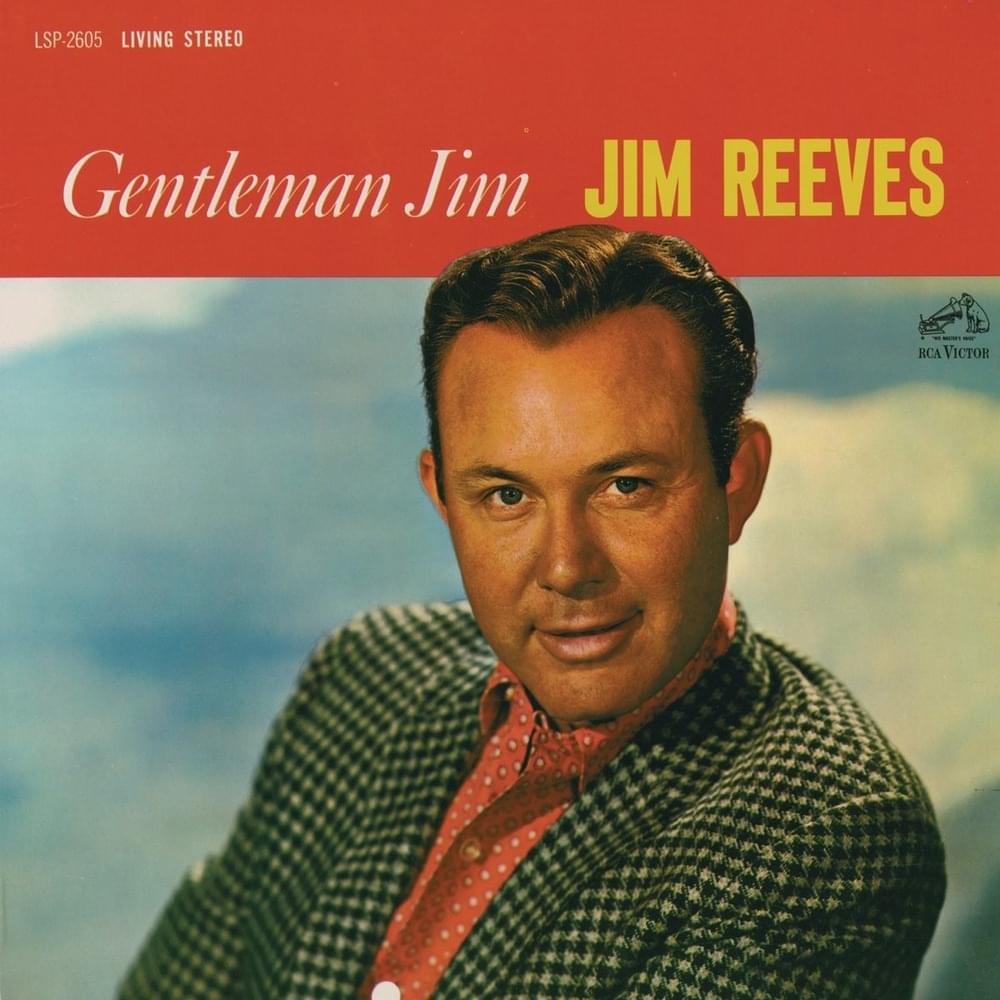
 View Artist