Song Meaning
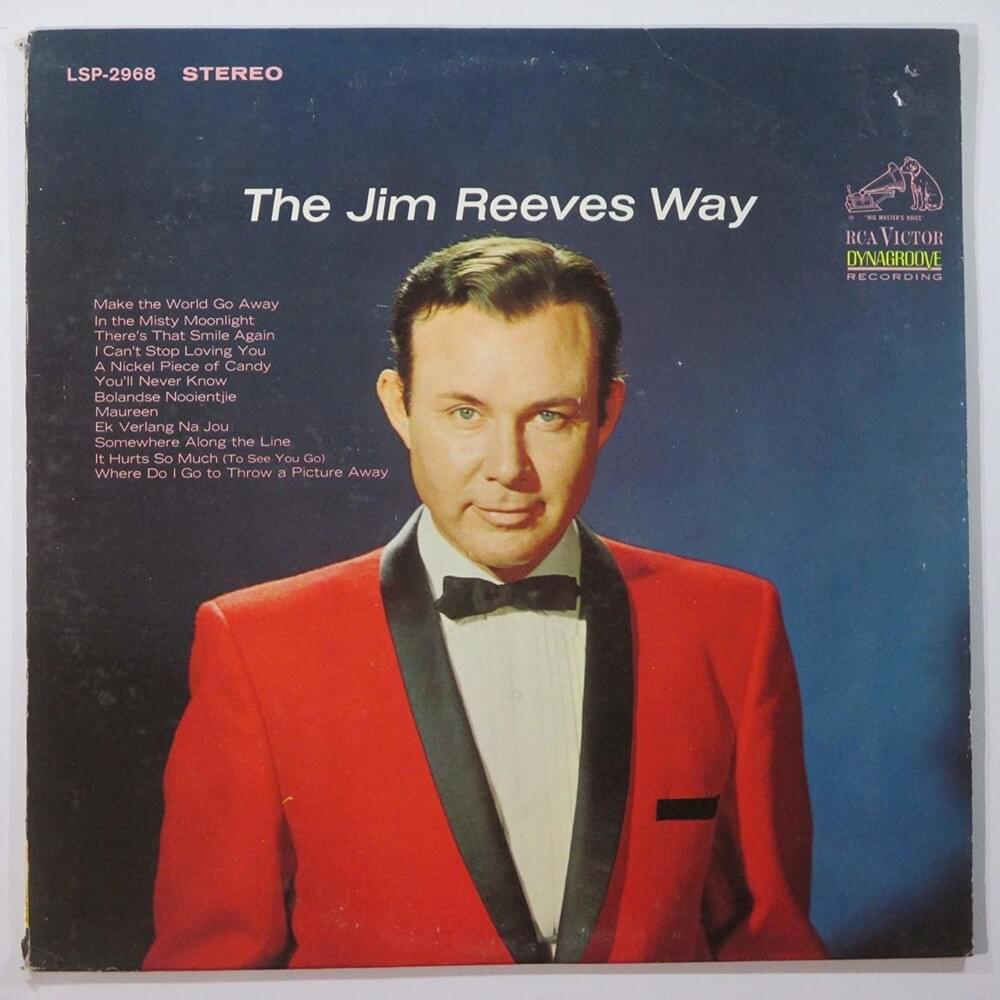
Jim Reeves's "Somewhere Along the Line" is not just a country lament; it's a post-mortem on love, dissected with the cold precision of a surgeon. The song's power lies not in blame, but in the unsettling acknowledgment of a gradual erosion. The repeated phrase, "Somewhere along the line," acts as both a confession and a plea. It's an admission of failure, yes, but also a desperate attempt to pinpoint the exact moment affection began to curdle. The narrator isn't necessarily seeking reconciliation, but rather understanding, a psychological need to map the trajectory of love's decay. He's trapped in a loop of introspection, haunted by the ghost of what was. The beauty of this song is in the uncertainty; there's no single dramatic event, no villain, just the insidious creep of change.
Reeves hints at potential catalysts – "the night you tossed your wedding rings away" and "the many little things I meant to say" – but these are presented as possibilities, not definitive causes. This ambiguity suggests a deeper malaise, a fundamental incompatibility or a failure of communication that festered over time. The line "My eyes for love went blind" is particularly potent, implying a willful ignorance, a refusal to acknowledge the growing distance until it was too late. It's a portrait of emotional self-deception, a common human failing masked by the veneer of commitment.
Ultimately, "Somewhere Along the Line" resonates because it taps into a universal fear: the slow, silent death of love. It's a song for anyone who's ever looked at a partner and wondered, not with anger or resentment, but with a profound sense of bewilderment, how they arrived at this desolate place. The song doesn't offer easy answers or cathartic release. Instead, it leaves us with the unsettling truth that sometimes, love simply fades, not with a bang, but with the quiet whisper of time.
 View Artist