Song Meaning
Jim Reeves's "Room Full of Roses" isn't just a countrypolitan ballad; it's a quietly devastating emotional accounting. The central conceit—roses as a metaphor for pain inflicted in a relationship—is deceptively simple. The opening lines, “If I sent a rose to you for every time you made me blue/You'd have a room full of roses,” immediately establish a dynamic of imbalance and hurt. It's not just a bouquet; it's a suffocating volume of grievances, a floral monument to heartbreak. The white roses representing tear-filled nights add another layer, transforming the image from mere sadness into something bordering on despair. He's quantifying the anguish, turning intangible feelings into a tangible, overwhelming presence.
The song's brilliance lies in its understated delivery. Reeves doesn't rage or accuse; he presents the scenario with a resigned sadness that cuts deeper than any histrionics. The lines about tearing the petals and tearing the heart are particularly sharp. It's a direct, almost clinical, articulation of the link between the lover's actions and the singer's emotional state. The destruction of the roses mirrors the destruction of the heart, a visceral image of vulnerability.
Ultimately, "Room Full of Roses" transcends its genre trappings. It speaks to a universal desire for genuine connection over symbolic gestures. The final plea, "I don't want a room full of roses I just want my arms full of you," is a poignant rejection of performative remorse. It's a yearning for intimacy, for presence, for the simple comfort of human touch instead of empty apologies. The song's power lies not in its complexity, but in its raw, honest portrayal of longing and the quiet devastation of unmet needs in a relationship gone sour.
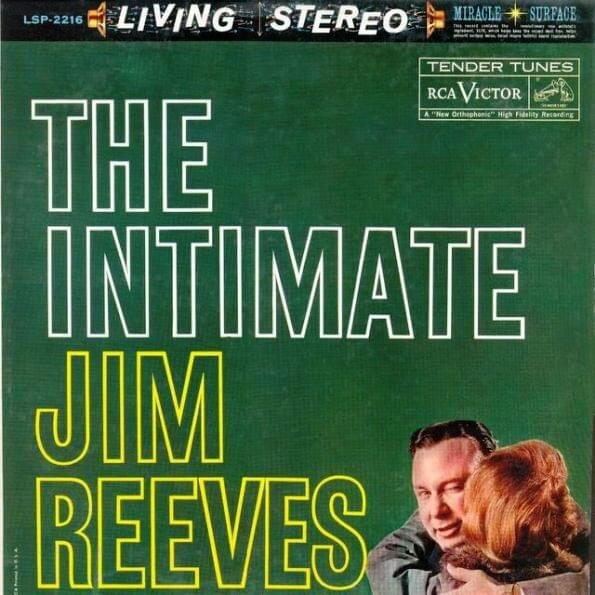
 View Artist