Song Meaning
Jim Reeves's "Peace In The Valley" isn't just a gospel standard; it's a stark expression of existential fatigue, cloaked in the comforting language of faith. The opening lines, "Oh well, I'm tired and I'm weary / But I must go alone," immediately establish a tone of profound loneliness and exhaustion. This isn't the exuberant joy of a spiritual awakening; it's the weary resignation of someone clinging to hope as a last resort. The "black as the sea" night suggests a deep, almost overwhelming despair, a darkness that only the promise of divine light can penetrate. The singer isn't celebrating; he's enduring.
The recurring refrain, "There will be peace in the valley for me, some day," functions as both a prayer and a desperate affirmation. The valley becomes a metaphor for an afterlife free from earthly suffering. Crucially, the lyrics emphasize the *absence* of negative experiences: "no sadness, no sorrow / No trouble, trouble I see." The allure isn't necessarily a positive vision of paradise, but the cessation of pain. This speaks to a listener worn down by life's relentless challenges, seeking solace not in divine reward but in the simple promise of rest. The repetition reinforces this yearning, embedding the hope of future peace deep within the listener's psyche.
Ultimately, the song's power lies in its raw honesty. While couched in religious terms, "Peace In The Valley" resonates because it acknowledges the universal human experience of suffering and the longing for release. Reeves's delivery, imbued with a quiet sincerity, amplifies the song's emotional core. It's a testament to the enduring appeal of finding comfort in the face of life's inevitable hardships, a reminder that even in the darkest night, the promise of peace—however distant—can offer a glimmer of hope.
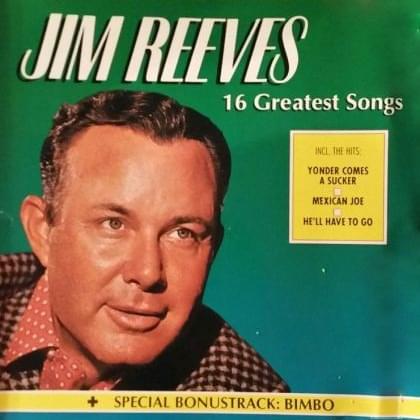
 View Artist