Song Meaning
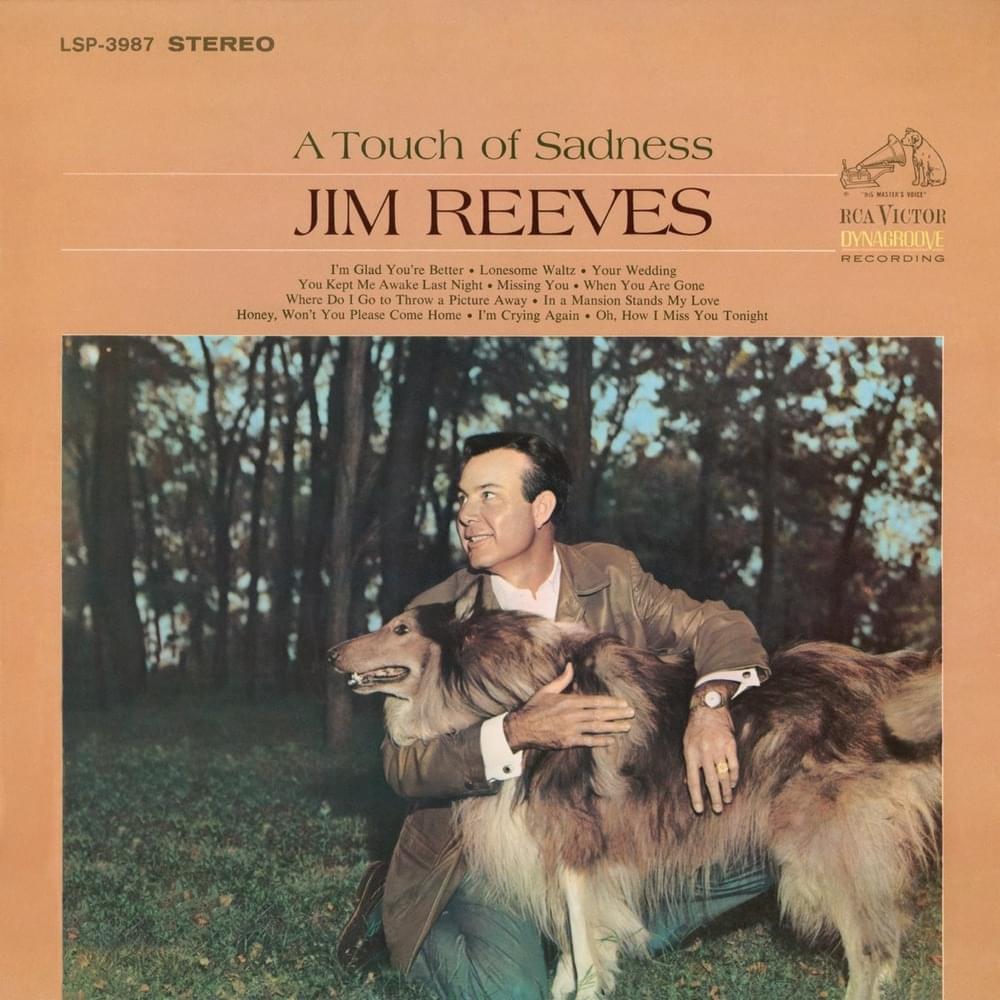
Jim Reeves's "Oh How I Miss You Tonight" isn't just a lament; it's a study in the psychology of longing. The song's simplicity is its strength, cutting directly to the raw nerve of absence. It's a portrait of a man utterly consumed by the void left by a departed lover, where the 'lights are low' not just literally, but metaphorically, casting shadows on every corner of his existence. The repetition of the title phrase underscores the obsessive nature of grief, a loop of sorrow playing endlessly in his mind. It speaks to a core human experience: the way absence can amplify desire, turning a simple wish into a desperate need.
Reeves doesn't dwell on the reasons for the separation, which smartly universalizes the feeling. Instead, he zeroes in on the emotional fallout. Lines like "Each moment that we're apart, You're never out of my heart" hint at a love so deeply embedded that physical distance is irrelevant. The heart, in this context, becomes a prison, forever holding the absent beloved captive. The choice to "rather be lonely and wait" is a fascinating declaration of loyalty, but also perhaps a subtle acknowledgement of a lack of agency. It's a passive stance, a willingness to endure the pain rather than actively seek solace elsewhere. This speaks to a potentially unhealthy attachment, where the fantasy of reunion outweighs the reality of present-day suffering.
Ultimately, "Oh How I Miss You Tonight" resonates because it taps into a fundamental human vulnerability. It's a reminder that love, in its most intense form, can create a dependency that lingers long after the object of affection is gone. The song's enduring appeal lies in its unflinching portrayal of that ache, that hollow space where only the memory of a touch or a shared glance can momentarily fill the void. It's a song for the lonely, the lovelorn, and anyone who has ever felt the sharp sting of absence.
 View Artist