Song Meaning
Jim Reeves' "Most of the Time" isn't just a country ballad; it's a masterclass in denial, a study of the human heart's capacity for self-deception in the face of overwhelming loss. The opening lines depict a futile attempt to erase a past love – burning pictures and letters, acts of desperation that Reeves knows are ultimately symbolic. He understands that memories aren't so easily incinerated, revealing a core conflict: the desire to move on versus the inescapable grip of the past. The song’s power lies in this tension. He's performing the rituals of closure, giving away reminders and avoiding the lover's name, but the charade is transparent, both to himself and, crucially, to the listener. The line "Our friends never see you beside me / But I know you're there just the same" is particularly poignant, hinting at a phantom presence, a love so deeply ingrained it transcends physical absence.
The chorus, the heart of the song's meaning, hinges on the repeated phrase "Most of the time." This carefully constructed ambiguity becomes the key to unlocking the narrator's psychological state. He presents a facade of happiness and new relationships, but the qualifier "most of the time" betrays the underlying truth. It's a calculated admission, a subtle crack in the carefully constructed wall. The phrase acknowledges that this happiness isn't constant, isn't genuine, and is, in fact, a performance. It implicitly reveals the moments when the mask slips, when the grief becomes unbearable. The contrast between outward appearance and inner turmoil is stark, highlighting the isolating nature of heartbreak.
The raw honesty of "Most of the time I feel like cryin' / And most of the time that's what I do" serves as the song's emotional climax. It's a simple, direct statement that cuts through the pretense. Reeves doesn't offer excuses or justifications; he simply lays bare the reality of his pain. The repetition of this line, mirroring the earlier assertions of happiness, underscores the cyclical nature of grief, the constant ebb and flow between outward composure and inner despair. The song's brilliance resides in its understated portrayal of a man wrestling with a love that refuses to fade, a testament to the enduring power of memory and the human capacity to mask profound sadness.
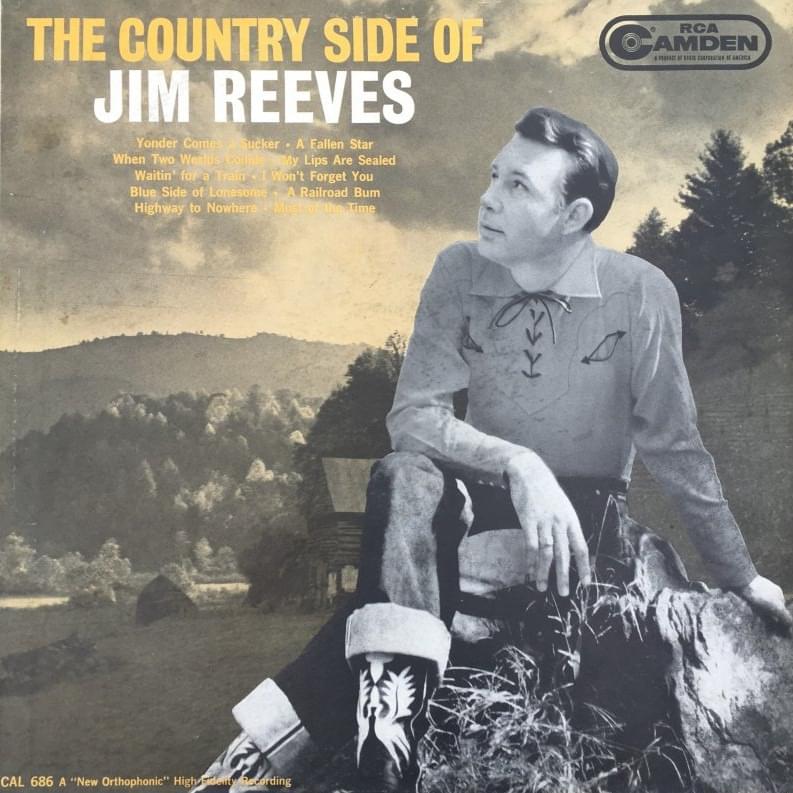
 View Artist