Song Meaning
Jim Reeves's "Lonesome Waltz" isn't just a country ballad; it's a masterclass in melancholic longing, a poignant exploration of love surrendered to ambition. The narrative unfolds as a bittersweet farewell to a lover destined for stardom, a star whose light threatens to eclipse their shared intimacy. The singer, seemingly left behind in the wake of their partner's ascent, doesn't express bitterness, but rather a heart-wrenching acceptance tinged with the faintest glimmer of hope. The song's meaning revolves around this delicate balance between letting go and desperately clinging to the memory of what was. The lyrics paint a vivid picture of a love affair morphing into a spectator sport, where the singer is relegated to the role of audience member, watching their beloved's life become a performance for the masses. This speaks to a deep-seated fear of obsolescence, the anxiety of being forgotten as one's partner achieves greater heights.
The waltz itself becomes a potent metaphor for the relationship – a dance of intimacy, now transformed into a solitary ritual. The request for a "lonesome waltz" serves as both a plea and a coping mechanism. The singer implores their former lover to immortalize their shared past in song, a way to keep the flame alive, even if only in memory. "Put in some pretty love words / As fresh as the summer rain / I'll furnish plenty teardrops / And pretend you're mine again" reveals the singer's willingness to embrace illusion, to actively construct a fantasy where the lost love is momentarily resurrected through the power of music. It is a testament to the human need for connection, even when faced with the inevitability of separation.
Ultimately, the enduring power of "Lonesome Waltz" lies in its unflinching portrayal of vulnerability and the quiet dignity of unrequited love. The singer's final request – "And if some day you'll find / You're just a used to be / Please come back and dance / This lonesome waltz for me" – encapsulates the song's core theme: a desperate hope for a second chance, a yearning for the past to be rekindled in a future where fame has faded. The song's meaning resonates because it taps into a universal fear of abandonment and the enduring human desire for connection, reminding us that even in the face of loss, the echo of love can linger in the form of a lonesome waltz.
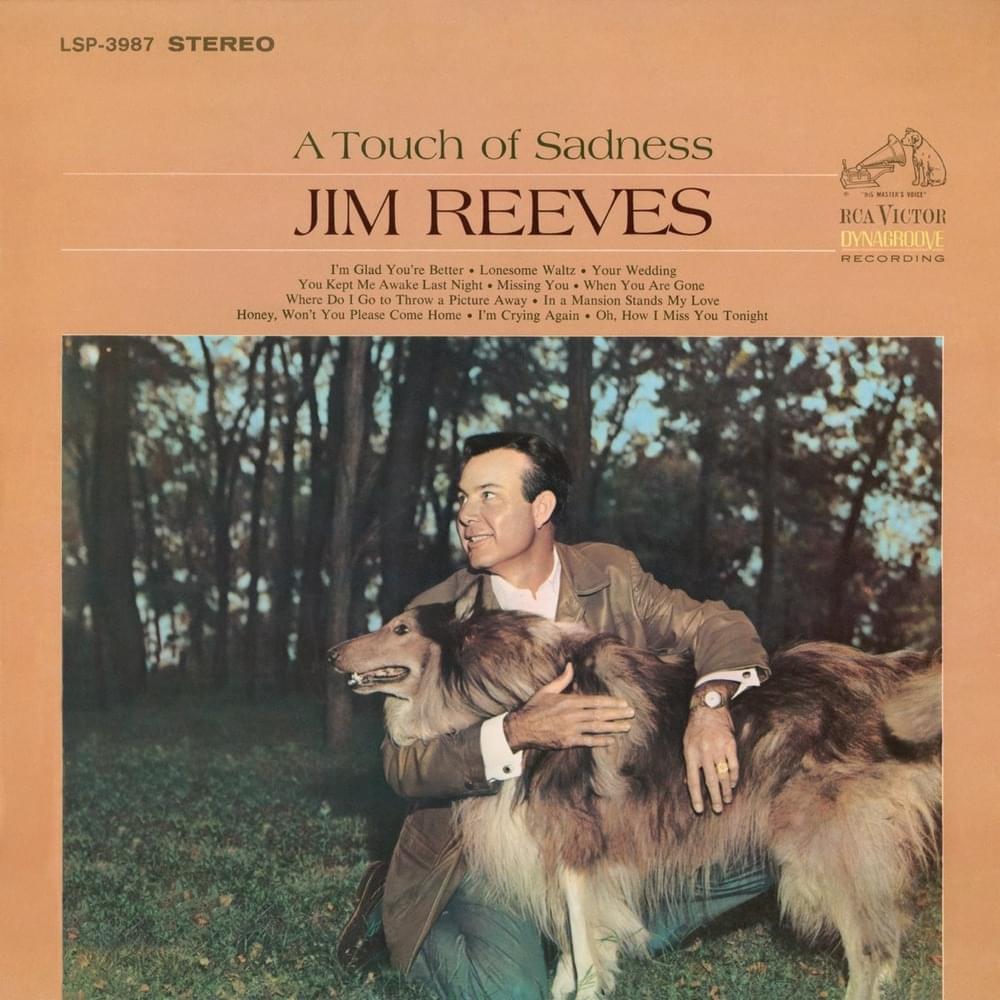
 View Artist