Song Meaning
Jim Reeves' "Kentucky Waltz" isn't just a song; it's a sepia-toned photograph of lost love, filtered through the gauzy romanticism of a bygone era. The waltz itself acts as a potent symbol – a dance of intimacy and connection that has abruptly ceased, leaving the narrator stranded in a solitary present. The lyrics sketch a scene of idyllic romance under a "beautiful harvest moon," a moment of youthful bliss where he felt like "the boy who was lucky." But the immediate pivot to the phrase "it all ended too soon" casts a long shadow, transforming the memory into a bittersweet ache. It's the quintessential country music theme: the cruel brevity of joy.
The song's emotional core resides in the contrast between the vibrant memory and the desolate present. He's now "alone in the moonlight," haunted by the "smiling face" of the woman he lost. This isn't just simple nostalgia; it's a deep, almost primal longing for a connection that defined him. The repetition of the waltz motif emphasizes its significance. It wasn't just a dance; it was a shared experience, a microcosm of their relationship, now irrevocably gone. The instrumental break serves as a pause for reflection, a moment for the listener to absorb the weight of his solitude and the persistent echo of what was.
"Kentucky Waltz" speaks to the universal human experience of loss and the enduring power of memory. The simplicity of the lyrics, combined with Reeves's smooth, emotive delivery, allows the listener to project their own experiences onto the song. It’s a reminder that even the most beautiful moments are fleeting, and that the echoes of love, like the strains of a waltz, can linger long after the music has stopped. The song is a testament to the way a single dance, a single night, can become an enduring symbol of both profound happiness and profound sorrow.
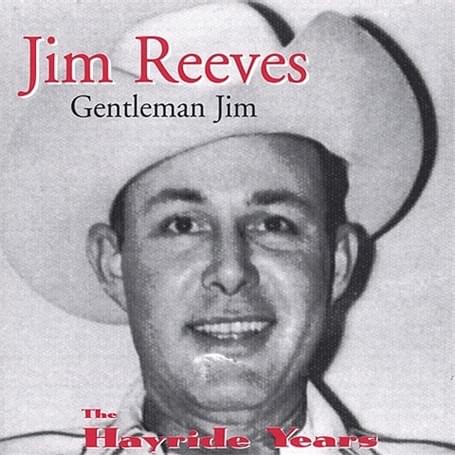
 View Artist