Song Meaning
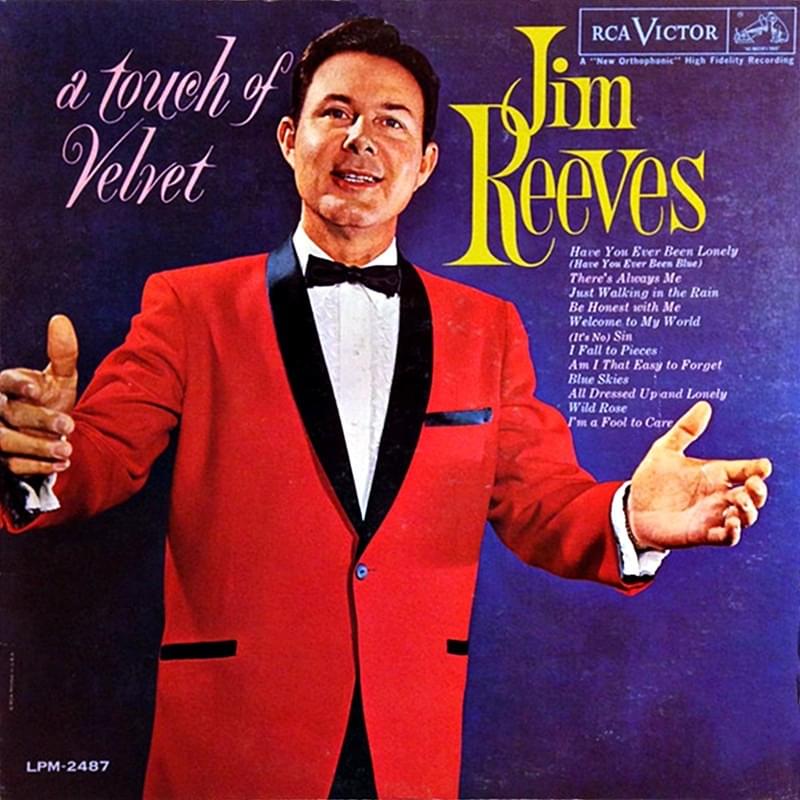
Jim Reeves' "Walking in the Rain" isn't just a song; it's an auditory portrait of grief, painted with the stark simplicity that defined much of his work. The lyrics aren't complex, yet they resonate with a profound sense of loss and the agonizing repetition of heartache. The rain, of course, is the central metaphor – a constant, melancholic presence mirroring the unending stream of sorrow. It's not just weather; it's an emotional climate, one where the protagonist is perpetually drenched in regret. The act of "trying to forget" is the core struggle, highlighting the inherent difficulty in erasing deeply ingrained memories, particularly those tied to love. Reeves captures the feeling of reliving a past relationship, not in nostalgic bliss, but in the throes of ongoing pain.
The public's reaction, described as people staring from windows and shaking their heads in sorrow, adds another layer of depth. It suggests a sense of societal judgment, or perhaps pity, directed at someone so visibly consumed by their emotions. This element introduces a sense of isolation and shame, amplifying the protagonist's internal suffering. The line "Who can this fool be?" is especially brutal, implying that the protagonist's devotion is seen as foolish or pathetic by outside observers. The repetition of the verses emphasizes the cyclical nature of grief; the protagonist is trapped in a loop of memory, pain, and public scrutiny.
Ultimately, the song's power lies in its ability to capture the raw, unfiltered experience of heartbreak. It's a testament to the enduring power of simple language to convey complex emotions. The song meaning isn't buried in cryptic metaphors or complex narratives; it's laid bare, exposed like the protagonist walking alone in the rain, vulnerable and unable to escape the storm of his own emotions. "Walking in the Rain" becomes a poignant reminder of the isolating and often-shameful experience of profound loss, a place where personal sorrow becomes a public spectacle.
 View Artist