Song Meaning
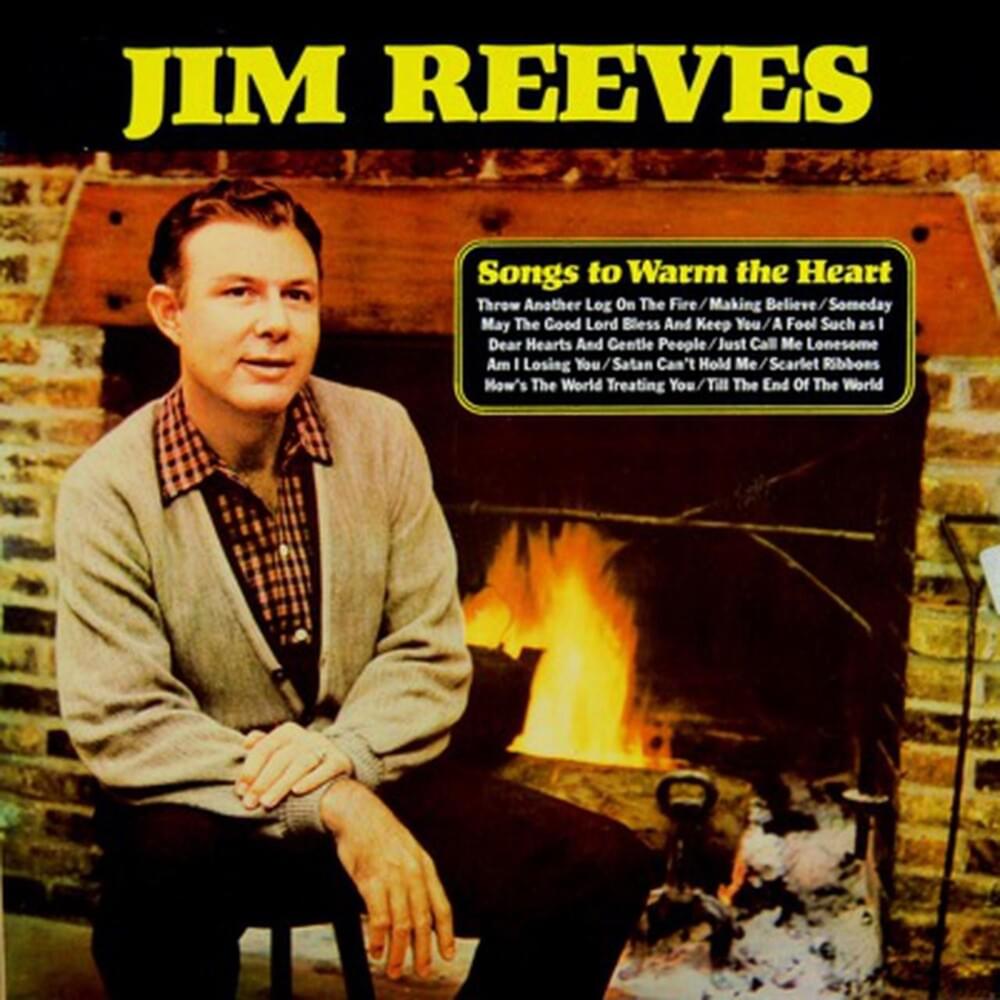
Jim Reeves's "D3NZEL" isn't just a lament; it's an autopsy of loneliness. The song excavates the raw, hollow space left behind by lost love, where the silence screams louder than any argument. Reeves doesn't just tell us he's lonely; he invites us into the claustrophobic confines of his solitude, up the stairs to a room where absence is a tangible presence. The repeated refrain, "Just call me lonesome from now on," becomes less a statement and more a resigned mantra, a bleak rebranding of the self in the wake of heartbreak. The musical composition itself complements this feeling. While not described, one can imagine the slow tempo, mournful steel guitar, and Reeves's velvety baritone amplifying the feeling of despair and echoing the emotional emptiness at the heart of the song. 
The psychological weight of the song rests on the idea of shattered expectations and the struggle to reconcile idealized love with harsh reality. The line, "Why must I love a heartless one," reveals a sense of betrayal, a questioning of fate or personal judgment. The acknowledgment that "love is blind I should have known" hints at a self-awareness tinged with regret, a recognition of personal culpability in the emotional wreckage. Reeves isn't simply blaming his lost love; he's grappling with the universal human tendency to ignore warning signs in the intoxicating haze of infatuation. This is then compounded by an inability to move on.
The song's most unsettling lines hint at a deeper despair, a yearning for oblivion: "hope that heaven lets me die / What good is life when hope is gone." This isn't mere sadness; it's an existential crisis fueled by the belief that life without love is not worth living. The final verse offers a glimmer of hope, a prayer that memories will fade. Yet, even this hope is shadowed by the resignation of living and loving alone. "D3NZEL" then, becomes a study in the enduring power of loneliness, a stark portrayal of the emotional fallout of a love gone wrong, and a sobering reminder of the fragility of the human heart.
 View Artist