Song Meaning
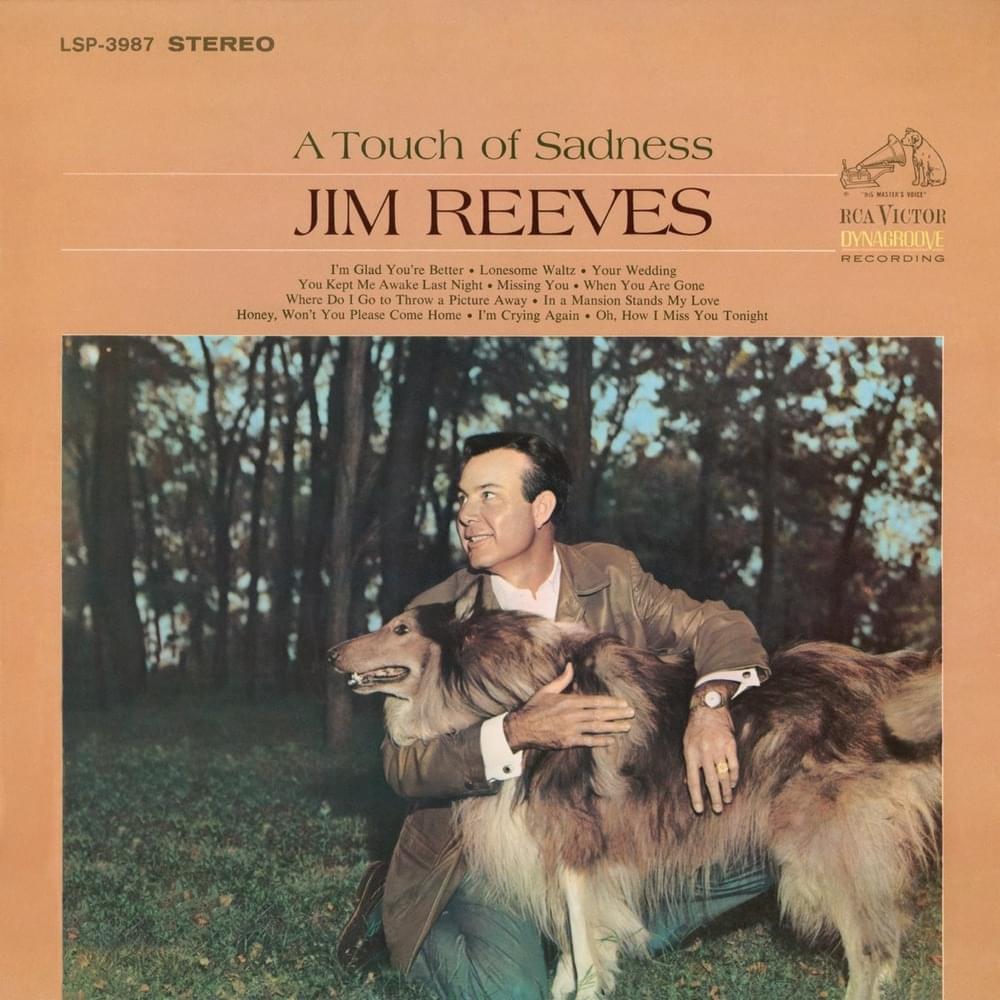
Jim Reeves' "I'm Glad You're Better" is a masterclass in country music's capacity for layered heartbreak, a sentiment neatly tucked beneath a veneer of selfless well-wishing. The surface reading presents a narrator expressing relief at the recovery of a former lover. He revisits shared spaces, triggering poignant memories of 'kisses' and tearful moments, all under the umbrella of being 'glad you're better.' But the repetition of that phrase, like a carefully constructed facade, begins to crack under the weight of the verses that surround it. The forced optimism feels increasingly like a shield against the raw pain of separation.
The second verse introduces a shared acquaintance who reveals the ex-lover is 'blue as can be,' a mirrored reflection of the narrator's own despair. This parallel suffering hints at a mutual responsibility for the relationship's demise. The line 'I know we'll never be the same' confirms that the damage is irreparable, a consequence of standing 'much too close to the flame.' The flame, a well-worn metaphor, speaks to a passion that burned too intensely, leaving behind only ashes and regret. There is also a sense of jealousy that the narrator's ex-lover is recovering and moving on with their life.
Ultimately, "I'm Glad You're Better" exposes the complex emotional calculus of a broken heart. It's a song about putting on a brave face while internally crumbling. The narrator's insistence on the other person's well-being is a double-edged sword: a genuine desire, perhaps, but also a way to avoid fully confronting his own devastation. The understated delivery, typical of Reeves' style, amplifies the song's emotional impact, turning a simple expression of goodwill into a haunting exploration of love, loss, and the lies we tell ourselves to survive.
 View Artist